
Will a 3500 Watt Generator Run 2 Refrigerators? Answered
When a power outage hits, keeping your refrigerators running becomes a top priority to prevent food spoilage. Many homeowners wonder: Will a 3500 watt generator run 2 refrigerators? The short answer is yes—but let’s dive into the details to ensure you use your generator safely and efficiently.
Understanding Refrigerator Power Requirements
Refrigerators don’t draw the same amount of power all the time. Their energy use depends on size, age, and type:
- Mini fridges (common in dorms or offices) use just 50–100 watts while running, with starting surges around 150–300 watts.
- Standard top/bottom freezer models (20–25 cubic feet) typically run at 150–250 watts, with startup surges of 450–750 watts.
- Large French-door or side-by-side fridges (30+ cubic feet) can run at 250–350 watts, with starting wattages spiking to 750–1050 watts.
This variation matters because even two large fridges will have different needs than a mix of a mini and a standard model. The compressor in a refrigerator is an electric motor, and electric motors draw significantly more power during startup (inrush current) than when running continuously—as explained in Wikipedia’s Electric motor entry. This surge is why a generator’s peak wattage (not just continuous output) is so critical.
3500 Watt Generator Capacity: More Than Just the Number
A 3500-watt generator’s “3500W” rating refers to its continuous power output—the steady wattage it can supply for hours. But equally important is its surge wattage (also called “peak wattage”), which is the short burst of power it can handle for 1–2 seconds when devices like fridges start up. Most 3500W generators have a surge rating of 4000–4500 watts, which is critical for handling those initial compressor kicks.
Can It Run Two Refrigerators? Let’s Crunch the Numbers
Let’s test three common scenarios to be sure:
- Two standard fridges (250W running, 750W starting each):
- Total running wattage: 250 + 250 = 500W (well under 3500W).
- Total starting wattage (if both kick on at once): 750 + 750 = 1500W (easily handled by 4000–4500W surge capacity).
- One large fridge + one mini fridge (350W + 100W running; 1050W + 300W starting):
- Total running: 450W.
- Total starting: 1350W. Still well within the generator’s limits.
- Two large fridges (350W running, 1050W starting each):
- Total running: 700W.
- Total starting: 2100W. Even here, the generator’s surge capacity has plenty of room.
Real-World Considerations
- Other Devices: If you add a 100W TV, 50W lights, and a 200W microwave, total running wattage hits 700 (fridges) + 350 (other) = 1050W—still under 3500W. But avoid high-draw items like space heaters (1500W+) unless you turn off one fridge first.
- Generator Maintenance: A poorly maintained generator may not reach full capacity. Check oil levels weekly, clean air filters monthly, and run it for 30 minutes every 3 months to keep it in shape—this ensures it can handle those fridge startup surges when needed.
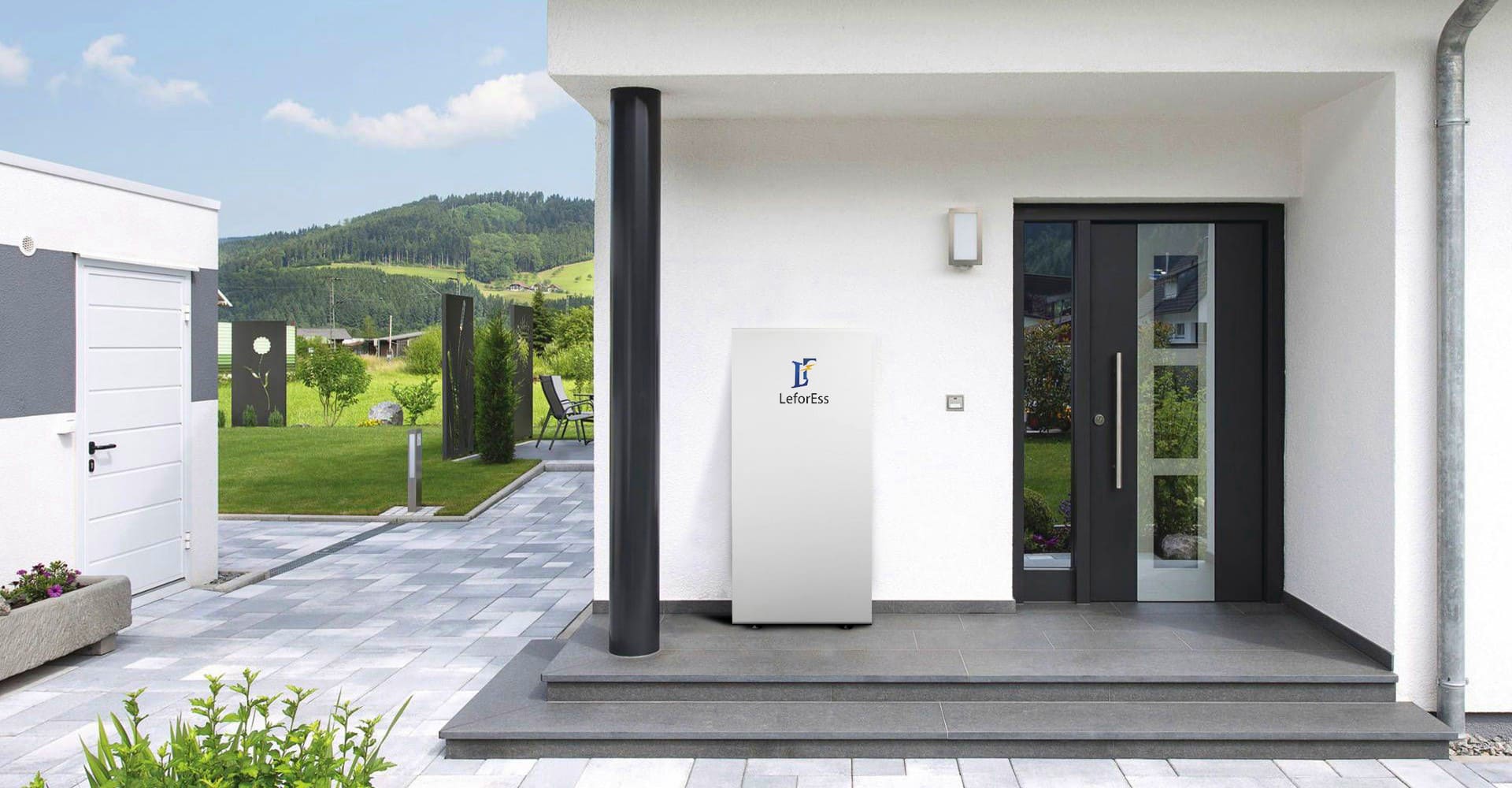
- Long Outages: For blackouts lasting days, pairing your generator with a 10kWh low-voltage wall-mounted battery (51.2V) is a smart move. These batteries store excess power when the generator runs, then take over overnight (when fridge usage is steady) to cut fuel costs. For example, a 10kWh battery can power two standard fridges for 12–16 hours on its own, letting you run the generator just 4–6 hours a day instead of nonstop.

Tips for Safe and Efficient Use
- Use a Power Strip with a Watt Meter: Plug both fridges into a strip that shows real-time wattage. This helps you spot spikes and avoid overloading.
- Start Fridges Strategically: Wait 2–3 minutes after starting the first fridge before turning on the second. This reduces the chance of overlapping surges.
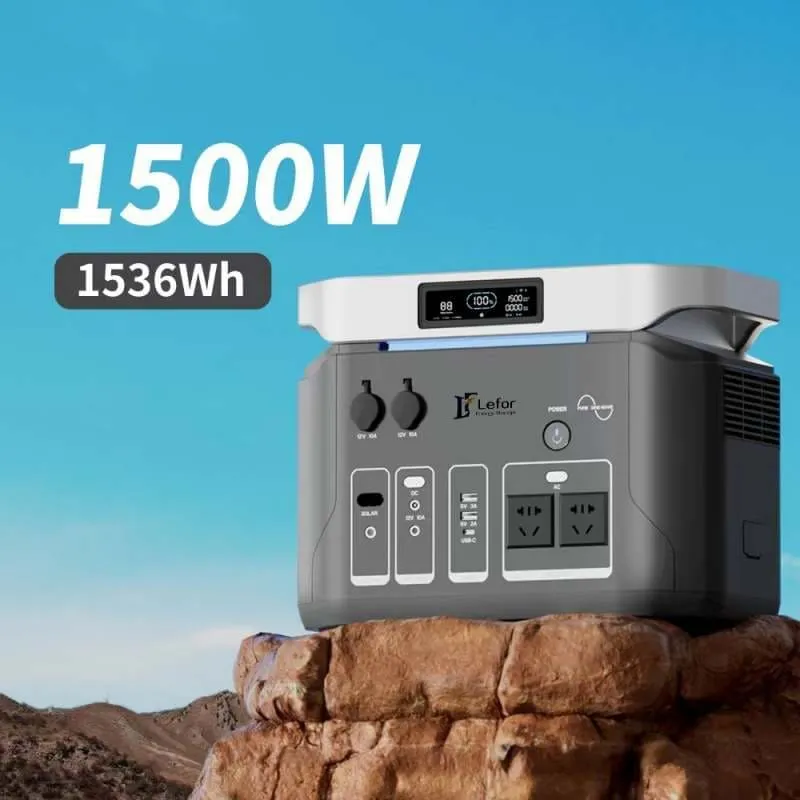
- Portable Backup for Smaller Needs: If you only need to power one fridge occasionally (e.g., at a cabin), a portable energy storage power supply (51.2V, 1500W) works beautifully. It charges via solar or wall outlet, weighs under 20kg, and runs a standard fridge for 8–10 hours—no noise, no fuel.
Conclusion
A 3500 watt generator can reliably run 2 refrigerators, even large ones. By understanding their power needs, maintaining your generator, and adding a low-voltage wall-mounted battery (for long outages) or a portable energy storage power supply (for flexibility), you’ll keep food cold and stress low, no matter how long the power is out.