
How to Import LiFePO4 Batteries from China: 2025 Guide
Documents to request before placing the order
| Document | What it proves | Buyer check |
|---|---|---|
| Data sheet | Electrical, mechanical and environmental specification | Revision and model match the quotation |
| UN 38.3 test summary/report | Transport tests for the cell or battery configuration | Manufacturer, model and report scope |
| SDS/MSDS | Hazard, handling and emergency information | Current issue, language and shipped product |
| IEC 62619 / CE evidence where applicable | Safety or regional conformity evidence | Issuing body, scope, standard edition and model |
| Packing declaration and labels | Dangerous-goods preparation | Mode, quantity, package type and marks |
| Warranty and QC plan | Commercial support and acceptance criteria | Measurable response time and exclusions |
Audit the supplier, not just the PDF files
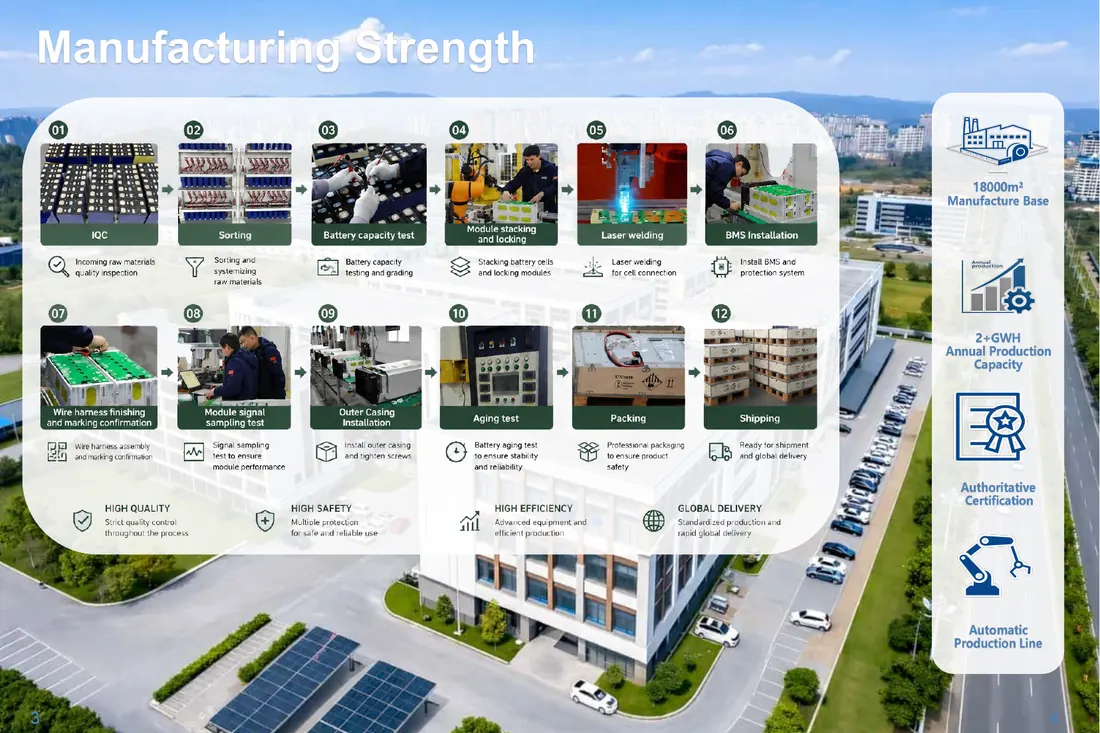
Ask how the factory freezes the bill of materials and controls substitutions. A report for one cell, BMS or enclosure does not automatically cover a changed configuration.
- Trace cell batch, BMS version and firmware to finished serial numbers.
- Define capacity, internal resistance, insulation and protection-function tests.
- Approve a golden sample and signed specification before mass production.
- Require written change notification for cells, BMS, connectors and firmware.
- Confirm spare parts, remote diagnostics and warranty-claim evidence.
Use a pre-shipment acceptance plan
- Check quantity, serial labels, model names and accessories.
- Review sample capacity/energy results and BMS logs.
- Verify terminals, torque marks, insulation, communication and alarms.
- Compare cartons, crates, labels and documents with the approved packing plan.
- Photograph container loading and seal details.
Compare landed cost—not factory price alone
Include batteries, accessories, testing, export packing, inland transport, dangerous-goods handling, freight, insurance, customs charges, taxes, destination delivery and warranty reserve. A lower unit price can become the highest landed cost if documents or packaging cause a booking rejection.
Frequently asked questions
Is UN 38.3 a product safety certification?
No. It is transport-test evidence under the UN Manual of Tests and Criteria. Separate product-safety or market-conformity requirements may apply.
Is an MSDS the same as a certificate?
No. An SDS/MSDS communicates hazards and handling information. It does not replace transport testing or product compliance evidence.
Can I use the supplier’s report for a customized battery?
Only if the report scope and configuration still cover the customized product. Changes to cells, BMS, wiring or enclosure may require review or new testing.
When should inspection happen?
Approve criteria before production, review records during production and complete pre-shipment inspection before final release and booking.
Sources and further reading
- UNECE — UN Manual of Tests and Criteria, Revision 7
- IEC — IEC 62619 industrial lithium battery safety standard
Requirements vary by product, transport mode and destination. Confirm the current rules with qualified compliance professionals, the carrier, forwarder and destination authorities.