Solar Power Inverter for Home: Do You Need It?
Scenario: Your Solar Panels Exist—But Your Home Still Relies on the Grid
You’ve installed solar panels on your roof, and they’re soaking up sunlight. But when you plug in your phone, it still draws from the grid. Your AC hums, your fridge runs—none of them seem to “use” the solar energy. Why? Chances are, you’re missing a solar power inverter for home—the unsung hero that makes solar energy usable.
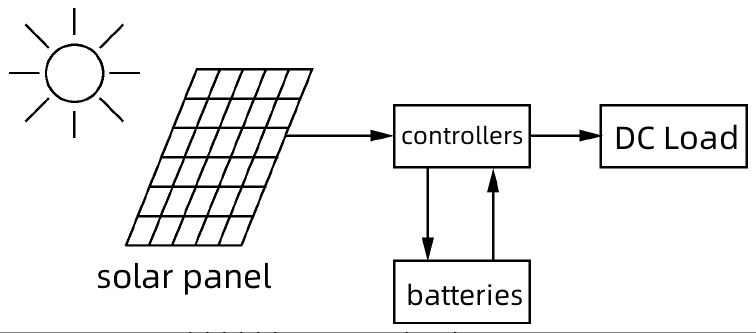
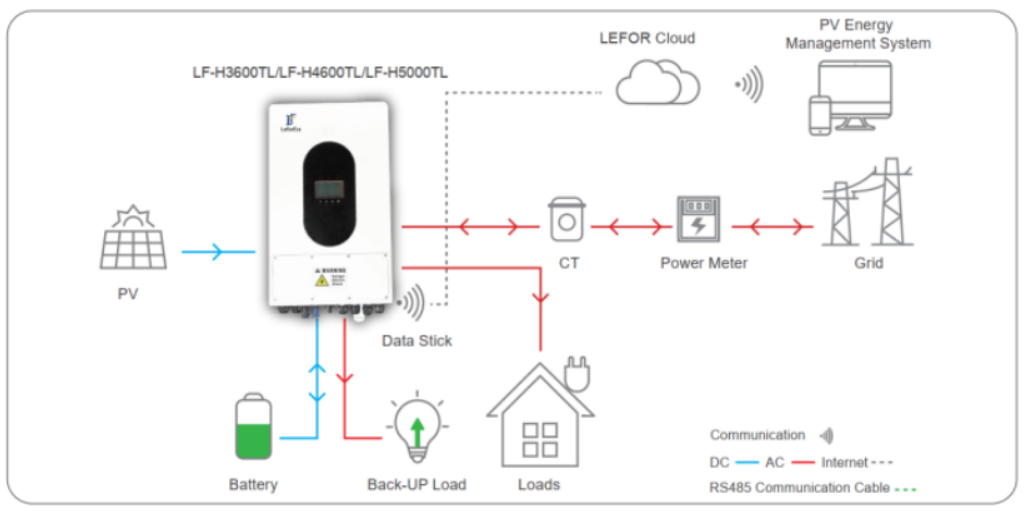
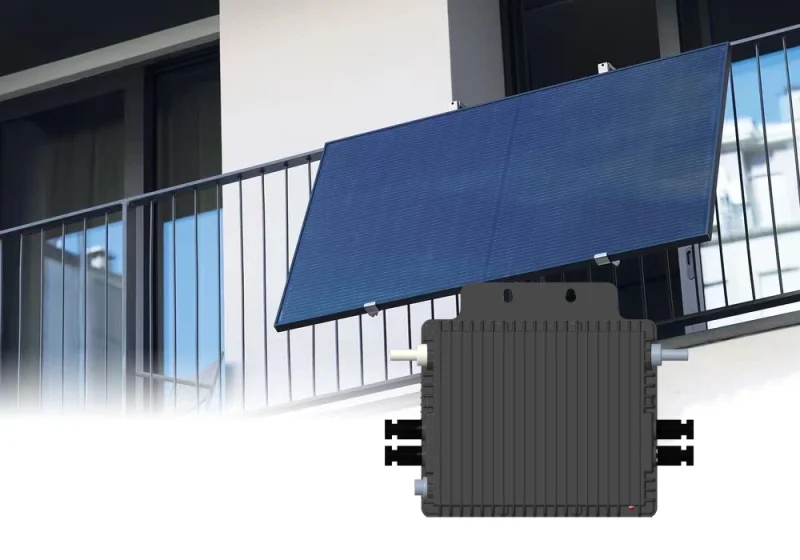
If solar panels are the “collectors” of sunlight, a solar power inverter for home is the “translator”: it turns the panels’ direct current (DC) into the alternating current (AC) your appliances need. It also connects to the grid or batteries, deciding whether to use, store, or sell excess energy.
So the big question is: Do you need a solar power inverter for home? Let’s break it down—from how it works to when it’s essential.
What Is a Solar Power Inverter for Home? 3 Key Types
A solar inverter’s core job is DC-to-AC conversion, but its design dictates how your system works. Here’s how the 3 main types differ:
Grid-Tied Inverter
It connects directly to the grid: solar energy powers your home first, and excess energy feeds into the grid (for credits or payments). During grid outages, it shuts off automatically (anti-islanding protection to keep utility workers safe).
Best for: Urban homes aiming to “sell excess solar energy” or offset grid bills.
Off-Grid Inverter
This type relies on a battery storage system: solar energy charges the battery first, and your home draws power from it. No grid connection is necessary.
Best for: Remote homes (without grid access) or regions with frequent outages.
Hybrid Inverter
It merges grid-tied and off-grid functions: excess energy can be sold to the grid, while surplus power also charges batteries for outages. During blackouts, it automatically switches to battery power.
Best for: Homes seeking “self-sufficiency + grid revenue” or reliable backup power.
Signs You Need a Solar Power Inverter for Your Home
A solar inverter isn’t optional if:
1. You Want Solar Energy to Power Your Home
Solar panels produce DC electricity, but 99% of home appliances (fridges, TVs, lights) run on AC. Without an inverter, your solar panels might as well be decorative—their energy can’t be used.
2. You Plan to “Sell Solar Energy” to the Grid
To feed excess solar energy into the grid (and earn money or credits), you need a grid-tied inverter. It synchronizes with the grid’s frequency and voltage, ensuring safe, compliant energy transfer.
3. You Want Backup Power During Outages
If blackouts are common, a hybrid inverter + battery turns solar energy into a “power reserve.” Excess daytime solar charges the battery; the inverter switches to battery power automatically when the grid fails.
4. You Want to Maximize Solar Efficiency
Inverters with MPPT (Maximum Power Point Tracking) technology optimize energy harvest—even in low light, shade, or cloudy weather. MPPT can boost solar production by 10–30% vs. non-MPPT inverters.
When You Might Not Need a Solar Power Inverter for Your Home
A solar inverter isn’t always necessary if:
1. You Don’t Have Solar Panels
Inverters are useless without solar panels—like buying an engine for a car you don’t own.
2. Your Solar Panels Are Just for “Show”
If your panels are purely decorative (e.g., roof-mounted but never connected to a system), an inverter serves no purpose.
3. You Only Use DC Appliances (Extremely Rare)
If your home runs entirely on DC-powered devices (almost impossible for modern homes—even “DC” gadgets like phones use AC adapters), an inverter isn’t needed. But this scenario is hypothetical for 99.9% of households.
How to Choose the Right Solar Power Inverter for Your Home: 5 Key Factors
If you need an inverter, focus on these 5 criteria:
1. Power Capacity: Match It to Your Needs
- Step 1: Calculate your home’s maximum AC load (total wattage of appliances running simultaneously—e.g., AC + oven + washer = 5,000W).
- Step 2: Check your solar panel system’s total DC capacity (e.g., 10 panels × 400W = 4,000W).
- Rule of thumb: Inverter capacity should be ≥ your max AC load and ≤ 120% of your solar panel capacity (avoid under/over-sizing).
2. Type: Grid-Tied, Off-Grid, or Hybrid?
- Grid-tied: Cheapest, best for “sell excess energy” goals. No backup power.
- Off-grid: Requires batteries. Only for homes without grid access.
- Hybrid: Most flexible. Supports grid sales and battery storage. Ideal for backup power.
3. Features: Prioritize MPPT, Smart Monitoring, and Compatibility
- MPPT: Non-negotiable for efficiency (especially in cloudy regions).
- Smart monitoring: Apps to track energy production, grid sales, and system health.
- Battery compatibility: If you plan to add batteries later, choose an inverter that works with your desired battery type (lithium-ion, lead-acid, etc.).
4. Brand and Reliability: Don’t Skimp on Quality
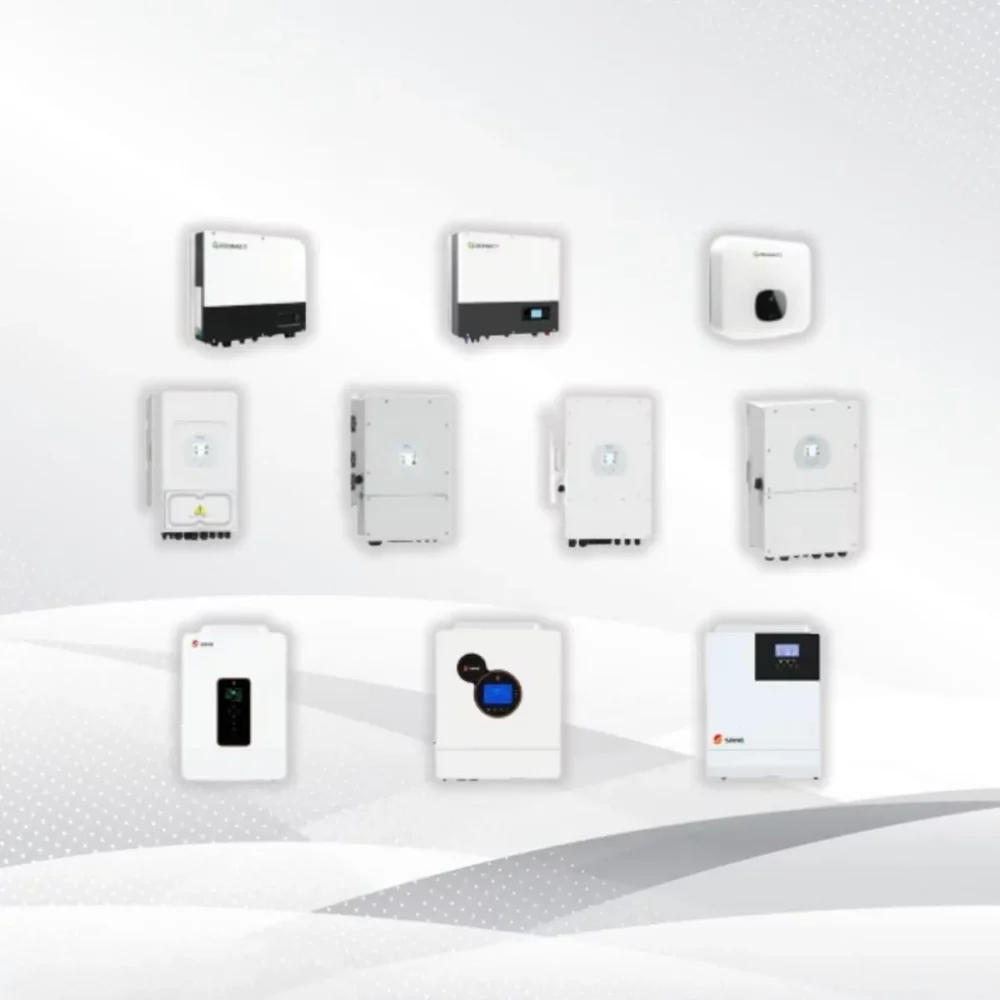
Stick to reputable brands (e.g., Huawei, Sungrow, GoodWe, Solis):
- Proven MPPT algorithms and durability.
- Wider service networks (inverters last 10–15 years—after-sales support matters).
5. Certifications and Safety: Grid Compliance Is Critical
- Grid-tied inverters need certifications (e.g., UL 1741, IEC 62109) to meet local grid codes.
- Ensure “anti-islanding protection” (automatically shuts off during grid outages to protect workers).
Installation & Maintenance Tips for Longevity
Installation:
- Mount the inverter in a cool, dry, well-ventilated area (e.g., near the solar array or on a shaded wall). Avoid direct sunlight or rain.
- Leave space around the inverter for airflow (heat reduces efficiency).
- Hire a licensed electrician for grid-tied systems—improper installation risks fines or safety issues.
Maintenance:
- Clean vents and fans monthly (dust buildup = overheating + reduced efficiency).
- Inspect wiring and terminals quarterly (loose connections cause failures).
- Use the inverter’s app to monitor performance—sudden drops in production signal issues (e.g., dirty panels, MPPT failure).
Final Verdict: Should You Buy a Solar Power Inverter for Your Home?
A solar inverter is the linchpin of a functional solar system. It turns solar panels from “decorative” to “power-producing”—enabling you to use, store, or sell solar energy.
- Buy it if: You want to use solar power, earn grid revenue, or gain backup power.
- Choose wisely by: Matching capacity to your needs, prioritizing MPPT and hybrid capabilities (if backup matters), and sticking to trusted brands.
Investing in the right inverter ensures your solar system works harder, longer, and smarter—turning sunlight into savings (and peace of mind) for years to come.