Micro Inverter Solar Panels: 2025’s Game-Changer
In 2025, as energy costs surge and sustainability takes center stage, micro inverter solar panels are no longer just a niche tech—they’re the key to unlocking true home energy independence. Unlike outdated solar systems, micro inverters revolutionize how we harness sunlight by treating every panel as its own power station. Here’s why they’re dominating the solar scene—and how solutions like our European-standard models (WHS-600TL/WHS-800TL) are leading the charge.
Why Traditional Solar Fails—And Micro Inverters Win
The Old Problem: Central Inverter Limitations
Traditional solar setups rely on a single central inverter. If one panel is shaded (by trees, dust, or even a bird), the entire system’s efficiency crashes. Plus, panels must match in power and brand, and installation requires rigid wiring—making upgrades or flexible placement impossible.
The Micro Inverter Fix: Panel-Level Mastery
Micro inverters solve these issues with three game-changing features:
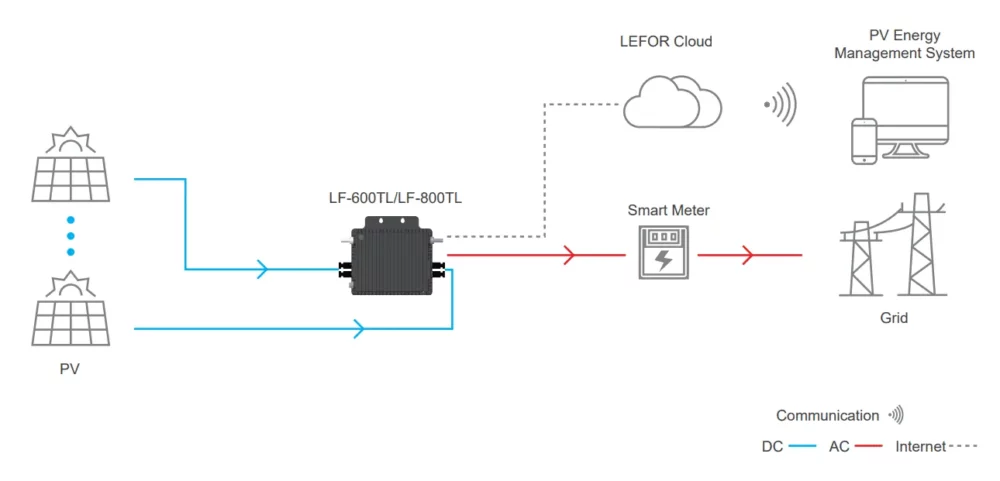
- Independent Inversion: Each panel converts DC to AC individually. Shade or defects affect only one panel, not the whole system.
- Flexible Compatibility: Dual MPPT tracking (25V–55V range, as in our WHS series) works with panels from 275W to 670W. Mix old and new panels—no problem.
- Plug-and-Play Installation: Low 60V max input voltage means safer, simpler setup. Mount inverters on panels, balconies, or walls (just pre-drill holes if attaching to panels, as our design supports).
4 Reasons Micro Inverter Systems Outshine the Rest
① Unbeatable Efficiency in Any Weather
While central inverters falter in clouds or shade, micro inverters optimize each panel in real time. Our WHS-600TL maintains 600W AC output even with 450–670W panels, and the WHS-800TL hits 800W for 400–450W dual panels—keeping production high when others stall.
② Install Anywhere, Anytime
Forget “south-facing roof only” rules:
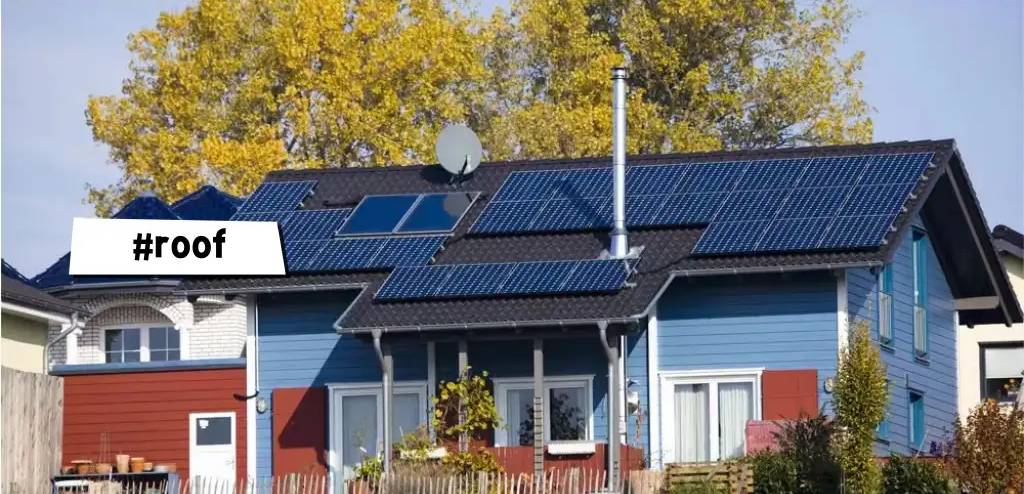
- Roof Arrays: Pair 2×275–350W panels with a WHS-600TL (8 units can parallel for scale).
- Balcony/Wall Mini-Systems: Use 1×450–670W panel with a WHS-600TL for compact setups.
Our systems adapt to your space, not the other way around.
③ Smart Monitoring: Every Panel Under Watch
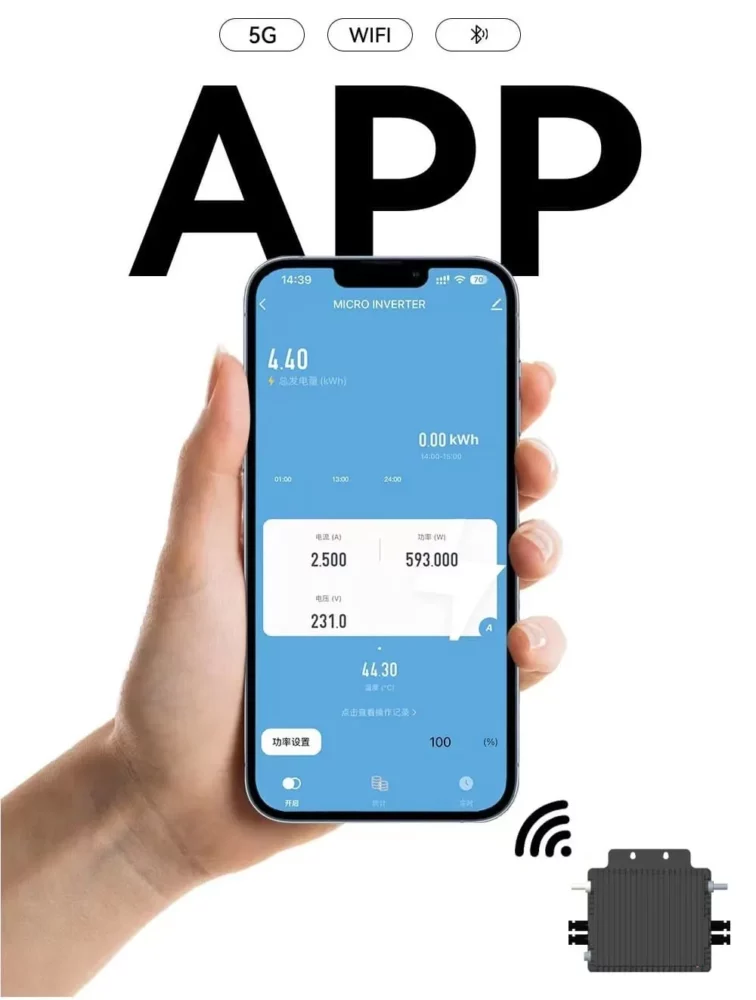
Most solar systems only track total output. Micro inverters? They monitor each panel’s performance via app. Spot a low-performing panel or fault instantly—slashing maintenance costs by 50% and extending system life to 25+ years.
④ Safety & Compliance Built-In
With 230V AC output (universal across our models), systems meet European grid standards. Low-voltage operation (≤60V DC) eliminates shock risks—critical for homes with kids or pets.
2025 Buying Guide: Choose the Right Micro Inverter Solar Panels
Match Power to Your Space & Needs
- Small Homes/Balconies: 400–450W panels + WHS-800TL (800W AC, 6 parallel units max). Perfect for lighting and small appliances.
- Larger Roofs/Villas: 2×275–350W panels + WHS-600TL (600W AC, 8 parallel units for expansion).
Key Inverter Specs to Prioritize
- Dual MPPT: Non-negotiable for mixing panel types (our models have 2 MPPTs).
- Voltage Range: 25V–55V handles weak sunlight and diverse panel specs.
- Parallel Capacity: WHS-600TL’s 8-unit limit beats WHS-800TL’s 6 for future scaling.
Installation Details Matter
If mounting inverters directly on panels, confirm pre-drilled holes (our design accounts for this—ask us about panel integration!). For walls/balconies, check waterproofing (our metal casings excel here).
How Micro Inverters Rewrite the Energy Economics
Slash Bills (and Profit From the Grid)
In 2025, European electricity costs are up 18% year-over-year. A micro inverter system cuts bills by 30–60%—and excess power sells back to the grid. With our 800W setup, that’s ~4kWh/day in good weather: free energy + passive income.
Energy Independence = Resilience
Pair micro inverters with batteries, and you’ve got a self-sufficient home grid. Outages? No problem—power lights, fridges, and even EV chargers without relying on the grid.
Carbon Neutrality, Simplified
Each system offsets ~200 trees’ worth of CO₂ yearly. For eco-conscious households, it’s a tangible step toward net-zero living.
The Future of Micro Inverters: 3 Trends to Watch
① Solar + Storage = Seamless Integration
Next-gen micro inverters (like future-proofed versions of our WHS series) will sync with home batteries, managing power flow in real time—store excess, use it smartly, and even power electric cars.
② AI-Powered Optimization
AI will predict weather, adjust panel angles (or virtual angles via software), and fine-tune MPPT for 15%+ efficiency gains. Our systems are already primed for over-the-air updates.
③ Cost Parity (and Beyond)
Micro inverters are 40% cheaper than 5 years ago. With our European-standard models, payback drops to 3–5 years—faster than ever.
Final Word: Act Now, Own Your Energy Future
In 2025, micro inverter solar panels aren’t just “solar panels”—they’re a lifestyle upgrade. Our WHS-600TL and WHS-800TL models embody this shift: dual MPPT flexibility, plug-and-play installation, and rock-solid European compliance.
Why wait for bills to climb? Turn your roof (or balcony!) into a profit-generating, carbon-slashing power hub. The sun’s energy is free—micro inverters make it usable, smart, and undeniably future-proof.
Ready to redefine your home’s energy story? Explore our micro inverter solar systems today.