
The Ultimate Guide to Solar Power Lithium Battery Storage
Why Energy Storage is Essential for Solar
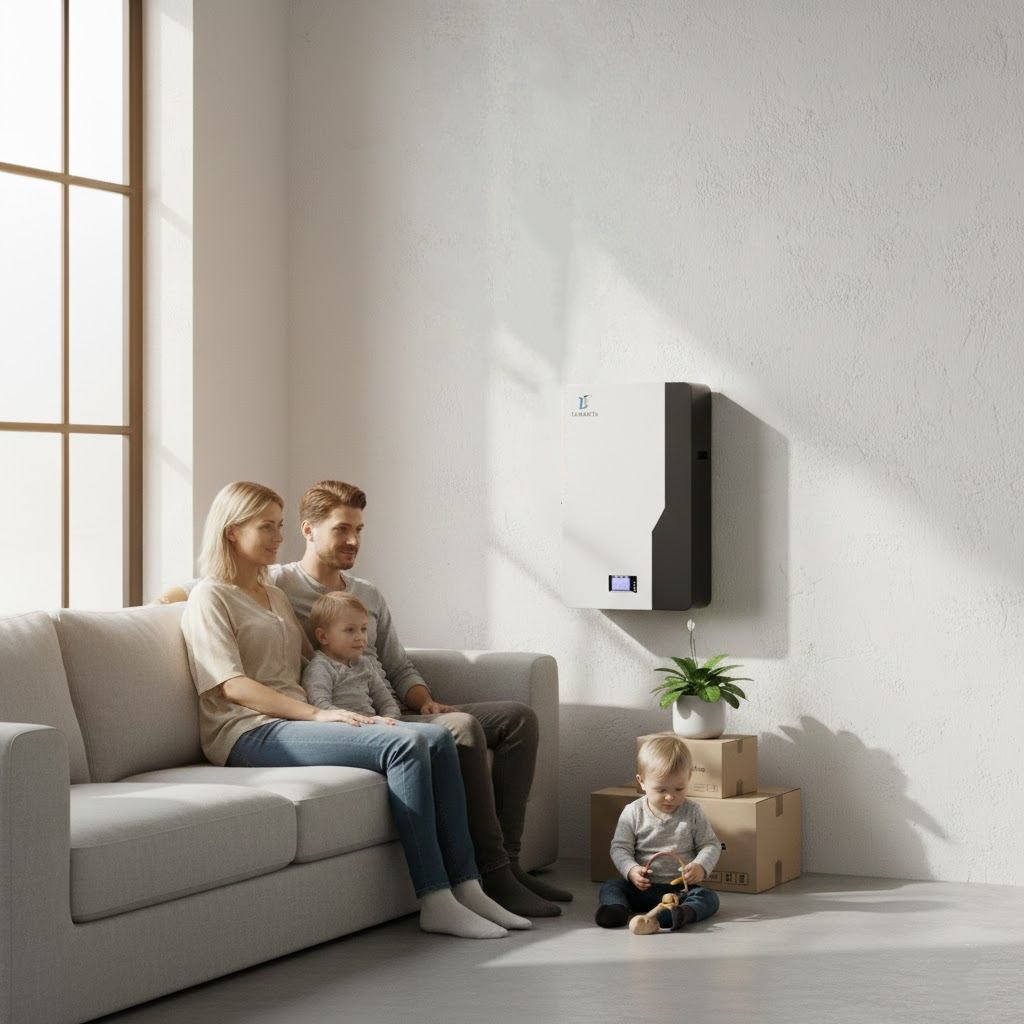
The goal of energy independence is realized through effective solar power lithium battery storage. Your solar array generates power efficiently, but without a robust storage solution, its effectiveness is limited to daylight hours.
A well-designed battery system allows you to store excess electricity and utilize it at night, during grid outages, or when utility rates are highest. This functionality elevates your home from being simply solar-equipped to truly energy-optimized.
This guide will focus on the lithium battery technologies that lead the modern storage market. We aim to provide an objective look at why this chemistry has become the industry’s preferred solution for reliable, long-term power security.
Lithium Technology: The Leading Edge in Solar Storage
For decades, lead-acid batteries served as a basic backup solution. However, the demands of a modern solar system—requiring deep, daily cycling—have driven the industry toward higher performance alternatives.
Lithium technology represents a significant leap forward in solar battery performance. It offers tangible advantages that are difficult to match using older chemical compositions.
Key Comparison: Evaluating Battery Chemistries
Choosing the right chemistry is crucial for the longevity and performance of your system. Here is a factual comparison highlighting the differences between modern lithium and traditional lead-acid options:
| Feature | LiFePO4 (Lithium Iron Phosphate) | Lead-Acid (Deep Cycle) |
| Usable Capacity (DoD) | 80% – 90% (Industry Leading) | ~50% (Limited Depth) |
| Cycle Life | Typically 6,000+ Cycles | Typically 500 – 1,500 Cycles |
| Maintenance | Virtually Maintenance-Free | Requires Regular Ventilation and Watering |
| Safety Profile | High Thermal Stability (Reduced Risk) | Lower Energy Density (Gases require venting) |
| Efficiency (Round-Trip) | Up to 95% | 80% – 85% |
Superior Discharge Capability and System Efficiency
The core advantage of lithium battery storage is the high Depth of Discharge (DoD). A battery rated at 10 kWh, built with LiFePO4, provides significantly more usable energy—typically 8 to 9 kWh—than its lead-acid counterpart.
This means you require less nominal capacity to achieve the same desired runtime, optimizing your system design.
Further more, lithium batteries offer superior Round-Trip Efficiency (RTE). High RTE means less solar power is wasted as heat during the process of charging and discharging, ensuring your energy is delivered efficiently when you need it most.
The Technical Rationale: Focus on LiFePO4 (LFP)
While various lithium-ion chemistries exist, for stationary residential and commercial applications, LiFePO4 (Lithium Iron Phosphate) has established itself as the most appropriate and robust choice.
Establishing a Better Safety Profile
Safety is a primary concern for any in-home energy system. LiFePO4 chemistry is noted for its excellent thermal stability.
Unlike some high-energy-density chemistries, the iron phosphate structure is highly resistant to thermal runaway—a critical safety feature for batteries installed in or near living spaces. This inherent chemical stability contributes significantly to their reliable operation over many years.
You should always verify that the solar power lithium battery storage product you choose carries necessary safety certifications, such as UL standards.
Proven Longevity Translates to Value
The extensive cycle life of LiFePO4 is a powerful economic factor. These batteries are consistently rated for 6,000 or more cycles, which can translate into a lifespan exceeding 15 years under typical usage.
This exceptional longevity helps offset the higher initial investment cost compared to older battery types. The durability guarantees a consistent performance record throughout the life of your solar array.
The Necessity of the Battery Management System (BMS)
The performance and safety of any solar storage solution hinge on the sophistication of its Battery Management System (BMS).
The BMS is the intelligent interface, continuously monitoring and regulating cell balance, temperature, and current flow. A high-quality BMS is essential for preventing damaging conditions like over-voltage or deep-discharge.
Investing in a product with a robust, well-engineered BMS ensures the longevity and safe operation of the entire battery pack.
Planning Your Solar Power Storage System
Successfully integrating solar power lithium battery storage requires careful calculation and component matching to your specific consumption patterns.
Capacity Planning and Autonomy
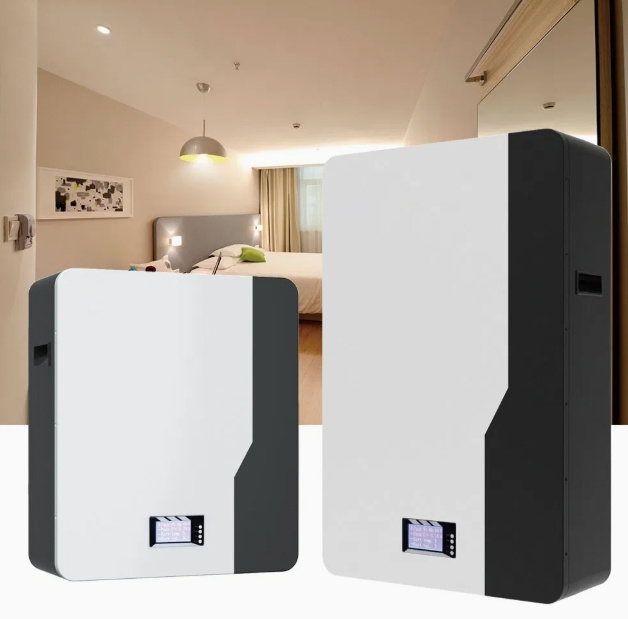
To select the right battery capacity (e.g., 5 kWh, 10 kWh, 20 kWh), you must first perform a thorough load audit. Determine your average daily consumption and, crucially, the power required for your critical loads during an extended outage.
We recommend planning for at least 24 hours of autonomy for essential appliances, adjusting capacity based on your local climate and reliance on the sun.
Optimizing System Voltage
For residential and large commercial storage, the 48V battery system is generally the favored standard. Operating at a higher voltage inherently increases system efficiency.
Higher voltage reduces the necessary current flow for the same power delivery, resulting in less resistive energy loss and often simpler, more cost-effective wiring requirements.
Ensuring Seamless Inverter Compatibility
The battery must communicate effectively with your solar inverter, usually a Hybrid Inverter. Our LFP batteries are engineered with standardized communication protocols to integrate smoothly.
Prioritize manufacturers whose batteries are confirmed to be compatible with leading hybrid inverter brands. This verified integration is key to achieving optimal charging profiles and reliable system operation.
Financial Perspective: Long-Term Value Assessment
When considering lithium battery storage it is prudent to focus on the economic value over the life of the asset, not just the upfront price.
The Cost of Stored Energy (LCoS)
The most accurate metric for comparison is the Levelized Cost of Storage (LCoS). This metric reveals the actual cost to deliver one kilowatt-hour of usable energy across the product’s entire lifespan.
LCoS = Battery Initial Cost / Total Lifetime Energy Output (kWh)
The superior cycle life and high DoD of LFP batteries provide a compelling LCoS, making them the most economical choice over the long term.
Investment Returns Through Utility Savings
A strategically placed solar battery storage system can deliver rapid returns on investment through energy arbitrage.
By utilizing stored solar power during peak utility rate hours or by charging when electricity is cheap (off-peak), you effectively reduce your reliance on expensive grid power, driving significant, measurable savings on your monthly bill.
finally: Your Reliable Energy Choice
Solar power lithium battery storage, particularly the LiFePO4 chemistry, stands as the leading technology for reliable, efficient, and safe energy independence. While the initial cost reflects the technology’s superiority, the long cycle life and high usable capacity deliver undeniable long-term value.
By prioritizing systems with proven BMS technology and high-efficiency metrics, you secure a robust power solution that will reliably meet your needs for years.
Ready to transition to reliable, long-term solar storage solutions? Contact our certified storage consultants today for a technical system design and a tailored quote on our high-performance LiFePO4 battery banks.