
HIGH-CAPACITY ET SERIES BATTERY PLATFORM
ET-51.2V200Ah-HV High-Voltage Battery System
MODEL · ET-51.2V200Ah-HV
ET-51.2V200Ah-HV doubles the ET module capacity to 200Ah and 10.24kWh while retaining a 51.2V module voltage. Four to ten modules form 204.8-512V systems with 40.9-102.4kWh nominal energy. The catalog lists 80A recommended and 100A maximum charge/discharge current, CAN/RS485 communication, natural cooling and IP21 protection for indoor stack or frame installations.
For EPC contractors and integrators that need more energy per series position and a higher current path than the ET 100Ah system.
Technical values are based on the supplied LeforESS catalog and remain subject to the selected model datasheet.
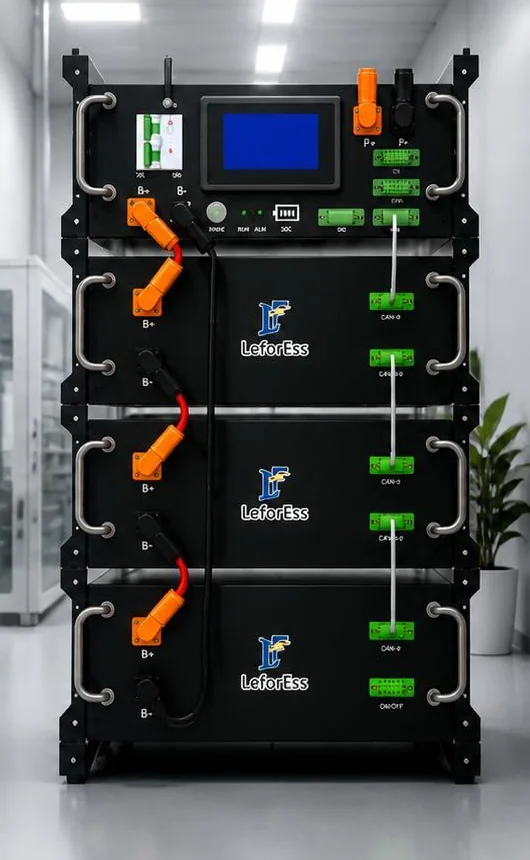
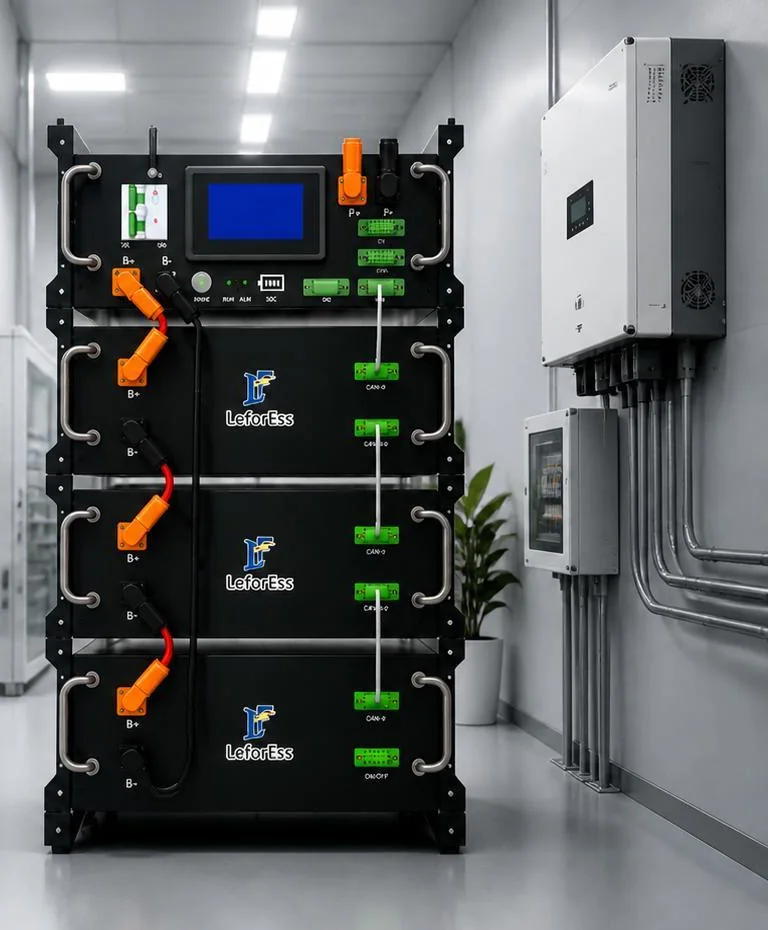
Higher Energy per Module
A 40.9-102.4kWh ET Platform for Larger Loads
The 200Ah version is not merely a longer-runtime substitute. Its 100A maximum current and heavier 10.24kWh modules change cable sizing, handling, frame loading and PCS requirements.
Small commercial peak management
Build a high-voltage battery bank around verified demand peaks, tariff windows and inverter dispatch controls.
Workshop and facility backup
Use measured critical-load power and autonomy targets to determine whether the required configuration stays inside the four-to-ten-module range.
OEM system integration
Integrators can package the battery with their selected PCS and protection equipment after protocol and voltage approval.
Verified Product Data
ET-51.2V200Ah-HV Electrical and Mechanical Data
These catalog values define the 200Ah ET module and its approved series range. They must not be substituted with specifications from a low-voltage 51.2V 200Ah wall battery.
| Module | Cell chemistry | LiFePO4 |
|---|---|---|
| Module energy | 10.24kWh | |
| Nominal voltage | 51.2V | |
| Capacity | 200Ah | |
| Module dimensions (W x D x H) | 383 x 605 x 240mm | |
| Approximate module weight | 77kg | |
| System | Modules in series | 4-10 optional |
| Nominal voltage | 204.8-512V | |
| Operating voltage | 185.6-576V | |
| Nominal energy | 40.9-102.4kWh | |
| Usable energy listed | 36.86-92.16kWh | |
| Charge/discharge current | Recommended 80A; maximum 100A | |
| Environment | Working temperature | 0-60C |
| Cooling | Natural cooling | |
| Humidity | 5%-85% RH | |
| Altitude | <=2000m | |
| Enclosure rating | IP21 | |
| Integration | Communication | CAN, RS485 |
| Installation | Stack mounting or iron-frame mounting | |
| System dimensions (W x D x H) | 355 x 567 x 830-1850mm listed | |
| Approximate system weight | 323-785kg | |
| Storage temperature | 0-35C | |
| Reliability | Recommended depth of discharge | 90% |
| Cycle life listed | >=6000 cycles | |
| Warranty listed | 5 years | |
| Certification listed | CE, MSDS, UN38.3 |
Product specifications and configuration options must be confirmed against the selected model datasheet before ordering. The catalog lists system dimensions identical to the 100Ah platform despite the larger 200Ah module dimensions. Obtain a configuration drawing before publishing the assembled dimensions.
Current and Mechanical Planning
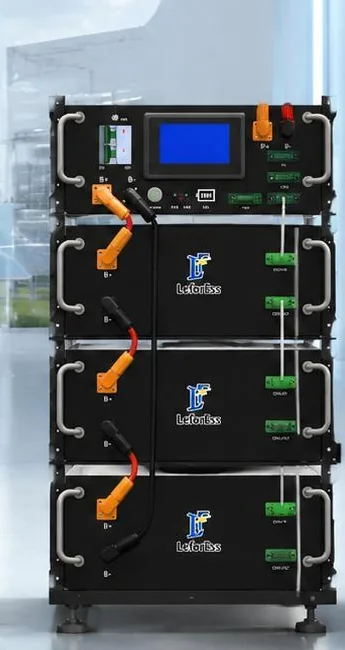
A Heavier Module Changes the Installation Scope
At approximately 77kg per module, the 200Ah platform requires planned handling, rack support and service access. The battery quotation should therefore include the physical configuration, not only a module count.
Technical Buying Questions
ET 200Ah Procurement Questions
What is the difference from the ET 100Ah system?
The 200Ah module stores 10.24kWh instead of 5.12kWh and supports 80A recommended, 100A maximum current. Its module weight and dimensions are also higher.
Can the bank be installed without an iron frame?
The catalog lists stack or iron-frame mounting. The approved arrangement depends on module count, local structural requirements and the supplied installation hardware.
Does 102.4kWh guarantee a specific backup time?
No. Runtime depends on usable energy, load profile, inverter efficiency, reserve SOC and operating conditions.
Is this the same as a low-voltage 51.2V 200Ah battery?
No. Individual modules are 51.2V, but the catalog system connects four to ten modules in series to create a high-voltage bank.