

What Does a Solar Controller Do? PWM vs MPPT Explained
Ever wondered how the energy from your solar panels safely charges your batteries? The unsung hero making this possible is the solar controller (also known as a solar charge controller). This essential device sits between your solar panels and your battery bank, acting as a vital gatekeeper. But what exactly does this vital component do?
The Core Function of a Solar Controller
Put simply, a solar charge controller regulates the flow of electrical power generated by your solar panels into your battery bank. Its primary mission is two-fold:
- Ensure Proper Battery Charging: It controls the voltage and current to match the specific charging requirements of your batteries (e.g., lead-acid, lithium-ion) for optimal health and longevity.
- Prevent Overcharging: By precisely managing the charging process, it protects your valuable battery bank from damage caused by excessive voltage, which can lead to overheating, gassing, and reduced lifespan.
The Two Main Types of Solar Charge Controllers
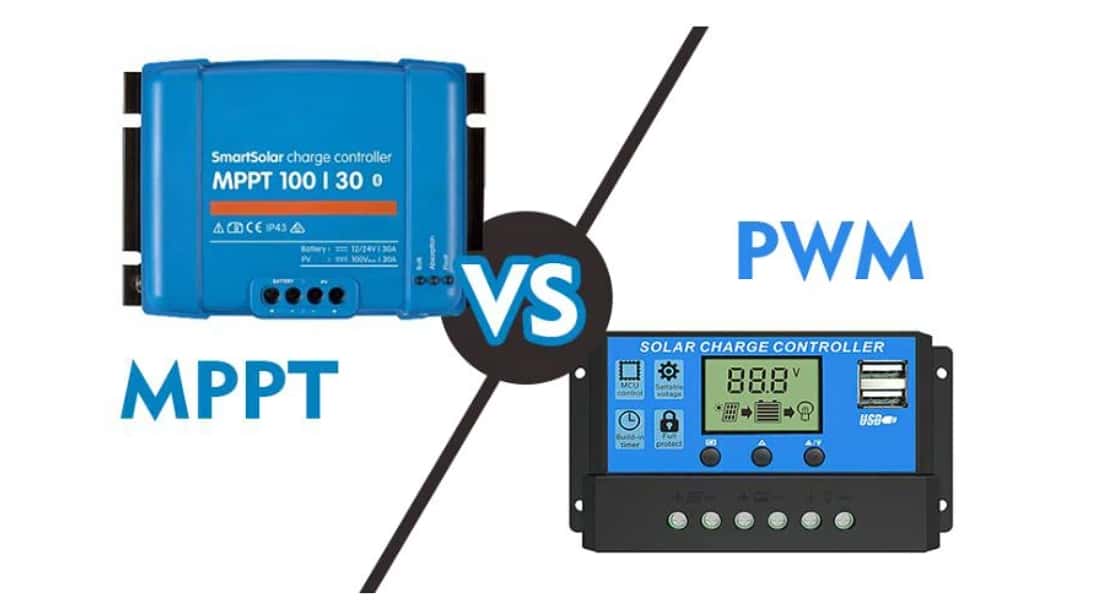
When choosing a solar controller, you’ll encounter two primary technologies: PWM (Pulse Width Modulation) and MPPT (Maximum Power Point Tracking). Understanding their differences is key to selecting the right one for your system.
- PWM Solar Charge Controller:
- How it works: A PWM controller acts like a fast switch connecting the solar panel array directly to the battery bank. It regulates charging by rapidly switching the connection on and off (pulsing). The width of these “on” pulses determines the average current flowing to the batteries.
- Charging Behavior: As the battery bank approaches full charge, the PWM controller shortens the pulse width, effectively reducing the charging current to a safe trickle or float level.
- Key Point: PWM controllers are simpler and generally more cost-effective. They work best when the solar panel voltage is only slightly higher than the battery bank voltage.
- MPPT Solar Charge Controller:
- How it works: An MPPT controller is significantly more sophisticated. It continuously calculates the solar panel’s output power (Volts x Amps = Watts). Its intelligent circuitry actively seeks the exact voltage point (the Maximum Power Point – MPPT) where the panels generate their absolute maximum power under the current sunlight and temperature conditions.
- Optimization Process: If the panels aren’t operating at their peak power point, the MPPT controller adjusts its internal parameters (effectively changing its input resistance) to draw exactly the right amount of current from the panels to maximize power harvest. It then converts this higher voltage/lower current from the panels into the lower voltage/higher current optimal for charging the battery bank.
- Key Advantage – Increased Efficiency: This constant optimization is the magic of MPPT. By ensuring the panels always operate at their maximum power output, MPPT controllers can harvest significantly more energy – typically 20-30% more – than a comparable PWM controller, especially in sub-optimal conditions (cooler temperatures, partial shading, or when panel voltage is much higher than battery voltage).
PWM vs MPPT: Which Solar Controller is Better?
The answer isn’t straightforward: PWM vs MPPT isn’t about one being universally “better” than the other. The best choice depends on your specific needs and system design.
- Choose PWM if: Budget is a primary concern, your solar array voltage is only slightly above your battery bank voltage (e.g., 12V panels charging a 12V battery), and you have consistent, strong sunlight. They are reliable and effective for smaller, simpler systems.
- Choose MPPT if: You want to maximize energy harvest and system efficiency, especially in colder climates, with partial shading, or when using panels with a significantly higher voltage than your battery bank (e.g., grid-tie panels charging a 12V or 24V battery). The higher initial cost is often justified by the substantial increase in power yield.
Conclusion: What Does a Solar Controller Do?
In essence, a solar charge controller is the indispensable regulator protecting your battery bank and ensuring efficient energy transfer from your solar panels. While PWM controllers offer a reliable and economical solution for simpler setups, MPPT controllers excel at maximizing power harvest, often boosting energy yield by 20-30% by constantly tracking the panel’s maximum power point (MPPT). Carefully evaluate your system size, panel specifications, battery voltage, budget, and environmental conditions to decide whether a PWM solar controller or an MPPT solar controller is the right fit for your solar power needs.