
What Does an Inverter Do?
What is an inerter?
Simply put, an inverter is a device that converts direct current (DC) to alternating current (AC).
DC: Batteries, solar panels, and car cigarette lighters output DC power, where the current flows in only one direction.
AC: Our home wall sockets and industrial equipment use AC power, where the current direction changes periodically.
You can think of it as a “current translator,” translating the “DC language” of batteries or solar panels into the “AC language” that your home appliances can understand.
What are the functions of an inverter?
Its core function is “power supply,” allowing you to use various appliances even where you can’t directly access the grid’s AC power. Specifically:
Enabling renewable energy: Converting the DC power generated by solar panels into AC power for home use.
Providing emergency power: During power outages, using batteries through the inverter to power critical home loads (such as refrigerators and lighting).
Enabling mobile power: Powering devices such as laptops, rice cookers, and drones while in a car or camping outdoors.
How does an inverter work?
You can think of its operation as a “precise current simulation show”:
Receiving DC power: The inverter draws power from a DC power source (such as a battery pack or solar panel).
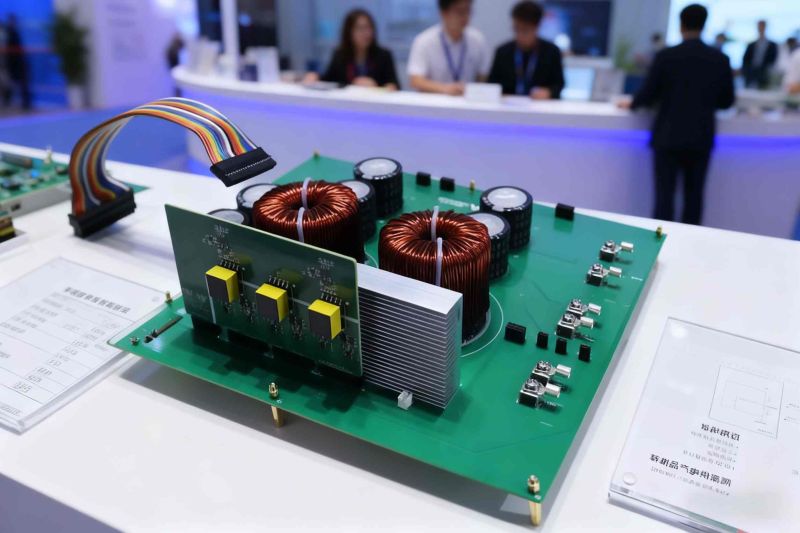
Rapid switching: Internal high-speed electronic switches (such as MOSFETs or IGBTs) constantly switch on and off at extremely high frequencies, “cutting” the smooth DC power into a series of alternating positive and negative current pulses.
Smoothing and filtering: These coarse pulses undergo a “polishing” process—that is, passing through a filter circuit composed of inductors and capacitors—ultimately outputting a smooth, stable sinusoidal AC power.
Key takeaway: High-quality inverters can perfectly mimic a “pure sine wave,” while cheaper models may only output a coarse “corrected wave,” which directly affects the compatibility and lifespan of electrical equipment.
What are the benefits of using an inverter?
Energy independence: Enables the practical application of clean energy sources such as solar power, reducing dependence on the traditional power grid.
Flexible power supply: Enables “electricity anytime, anywhere,” greatly expanding the boundaries of life and work. Safe and Reliable: Modern inverters feature multiple built-in protection functions (such as overload, short circuit, and overheat protection), ensuring safer electricity use.
Improved Energy Efficiency: High-efficiency inverters minimize energy loss during conversion.
What are the main applications of inverters?
Residential and Commercial:
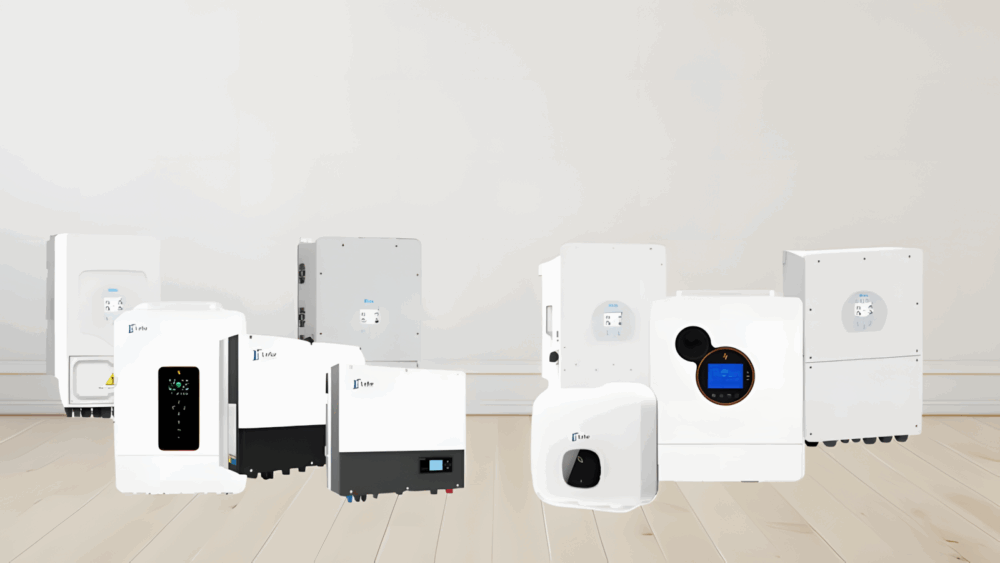
Rooftop Solar Systems: Using grid-connected inverters to power homes with solar energy and feed surplus electricity back into the grid.
Backup Power Systems: Using off-grid or hybrid inverters with batteries to automatically provide power during power outages.
Transportation and Outdoors:
Vehicle Power: Using vehicle inverters to power small appliances while traveling.
RVs/Yachts: As part of a primary power system.
Camping and Outdoor Work: Providing portable power.
Industrial and Public Utilities:
Uninterruptible Power Supply (UPS): Providing zero-interruption power to critical facilities such as data centers and hospitals.
Powering Remote Areas: Providing stable power to areas without grid coverage.
How to Properly Use and Maintain an Inverter?
Three Steps to Correct Selection:
Observe the Waveform: For sensitive appliances (such as computers, medical equipment, and inverter air conditioners), be sure to choose a pure sine wave inverter; modified sine waves are only suitable for basic electric heating devices (such as electric wire heaters).
Calculate Power: Calculate the total power consumption of the appliances you may use simultaneously and select an inverter with a rated power greater than that total power (it is recommended to leave a 20%-30% margin).
Match Voltage: Ensure that the inverter’s DC input voltage matches your battery voltage (e.g., both are 12V, 24V, or 48V).
Installation and Usage Points:
Install in a well-ventilated, dry, and cool place, ensuring good heat dissipation.
Connect the battery cables first, then turn on the inverter, and finally connect the appliances.
Overloading is strictly prohibited, and regularly check that the connections are secure.
For off-grid systems, properly maintain the battery and avoid over-discharge.
Conclusion
The inverter is a flexible hub for modern electrical energy. Choosing the right inverter is not just about buying a device; it’s about securing reliable energy autonomy for your lifestyle or business operations. Understanding its basic principles and key selection points will help you make the wisest decisions and use every unit of electricity safely and efficiently.
Frequently Asked Questions
Q1: What’s the difference between a pure sine wave inverter and a modified sine wave inverter? Which should I choose?
A: A pure sine wave inverter outputs high-quality electricity, compatible with all appliances and harmless; a modified sine wave inverter outputs lower quality and may cause excessive noise, overheating, or even damage to motor-driven devices (such as refrigerators and fans). A pure sine wave inverter is strongly recommended unless you are only using it for the simplest resistive loads (such as incandescent bulbs or electric blankets).
Q2: Can I plug the inverter directly into a wall socket to charge my battery?
A: Absolutely not! Inverters are unidirectional devices that convert DC to AC. Charging a battery requires a charger. Hybrid inverters integrate charging functionality, but ordinary inverters do not.
Q3: Can my car inverter power a small refrigerator?
A: This depends on the refrigerator’s starting power and the inverter’s rated/peak power. A small refrigerator typically operates at around 100W, but may require 300-600W at startup. Please ensure the inverter’s rated power is greater than its operating power and its peak power is greater than its starting power. Also, avoid using the inverter for extended periods when the vehicle is off to prevent battery drain.
Q4: Does the inverter itself consume power?
A: Yes. Even under no-load conditions (without any appliances connected), the inverter’s circuitry consumes a small amount of power (standby power consumption). Choosing a high-efficiency model with low standby power consumption can save on this energy consumption.