
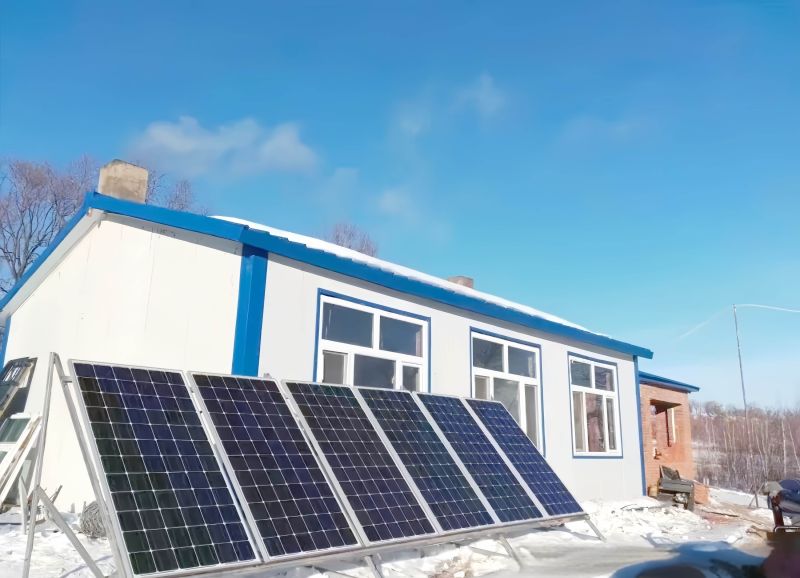
what is off grid solar system?
Introduction: Defining Energy Independence
True energy independence begins where the power grid ends. If you are planning a life away from utility lines or simply want a foolproof backup, off grid solar battery systems represent the most reliable technology available today. These systems allow you to generate, store, and consume your own electricity without any connection to a local utility provider.
Understanding the mechanics of a stand-alone solar system is no longer just for survivalists or remote researchers. Modern advancements in lithium technology and high-efficiency power electronics have made off-grid living accessible to homeowners and adventurers alike. This guide explores how these systems function and why the storage component is the most critical investment you will make.
How Off-Grid Solar Systems Work
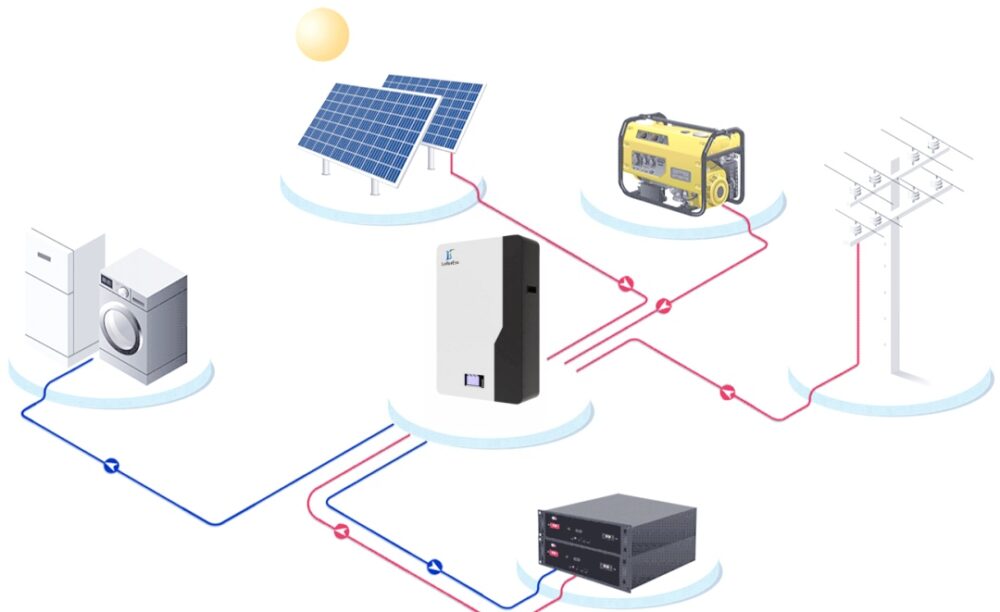
An off-grid system functions as a miniature utility company owned entirely by you. Unlike grid-tied systems that use the utility company as a “virtual battery,” an off-grid setup must manage every watt of energy internally.
The process starts when sunlight hits your photovoltaic (PV) panels, creating direct current (DC) electricity. However, the sun does not shine 24 hours a day, and your appliances do not always run when the sun is brightest. This creates a “generation gap” that only high-quality off grid solar battery systems can bridge.
The energy flows from the panels through a charge controller, which regulates the voltage to safely charge the battery bank. When you need to power a microwave, laptop, or air conditioner, a dedicated off-grid inverter pulls that stored DC energy and converts it into the alternating current (AC) required by your home.
The Heart of the System: Why Battery Selection Matters
In a grid-tied system, the inverter is the primary focus. In an off-grid world, the battery is the heart of the operation. If your battery fails, your system is dead, regardless of how much sun is shining on your roof.
Most experts categorize off grid solar battery systems into two primary chemical groups: Lead-Acid (including AGM and Gel) and Lithium Iron Phosphate (LiFePO4). The choice between these two determines not just your initial cost, but your daily quality of life and the long-term viability of your power supply.
Lead-acid batteries served the industry for decades, but they carry significant burdens. They are heavy, require specific ventilation due to off-gassing, and suffer from a limited Depth of Discharge (DoD). Typically, you can only use 50% of a lead-acid battery’s rated capacity without causing permanent chemical damage.
The Rise of LiFePO4 in Off-Grid Applications
Industry data from leading energy research firms like Bloomberg NEF indicates a massive shift toward lithium-based storage. Specifically, LiFePO4 has become the gold standard for off grid solar battery systems due to its inherent safety and incredible cycle life.
When you use LiFePO4, you gain access to nearly 90% of the stored energy. This means a 100Ah lithium battery provides nearly double the usable runtime of a 100Ah lead-acid battery. Furthermore, lithium batteries do not suffer from the “Peukert Effect,” meaning they maintain their capacity even when you are running heavy loads like power tools or water pumps.
From an engineering perspective, the efficiency of lithium is unparalleled. Lead-acid batteries often have a “round-trip efficiency” of about 80%, meaning you lose 20% of your solar energy just by moving it in and out of the battery. High-end lithium systems achieve efficiencies of 95% or higher, ensuring that every drop of sunshine is put to work.
Core Components of a Reliable Off-Grid Setup
To build a resilient system, you need more than just a battery. Each component must be sized to work in harmony with the others.
High-Efficiency Solar Panels
Your panels are your generators. In an off-grid context, you should generally “oversize” your solar array by 10-20% to account for winter months or consecutive cloudy days. Monocrystalline panels are currently favored for their higher efficiency per square foot.
MPPT Charge Controllers
Never use a basic PWM controller for a serious off-grid home. Maximum Power Point Tracking (MPPT) controllers act like a continuous transmission, adjusting the voltage and current to ensure the panels are operating at their peak performance. An MPPT controller can increase your charging efficiency by up to 30% compared to older technology.
Dedicated Off-Grid Inverters
A pure sine wave inverter is mandatory. Modified sine wave inverters are cheaper but can damage sensitive electronics like LED TVs, CPAP machines, and modern refrigerators. Your inverter must be sized to handle the “surge” current required when motors or compressors start up.
The Battery Bank (The Reservoir)
This is where your off grid solar battery systems reside. Modern configurations often use “Powerwall” style units—sleek, wall-mounted LiFePO4 blocks that include an integrated Battery Management System (BMS). The BMS is the brain of the battery, protecting it from overcharging, deep discharge, and temperature extremes.
Sizing Your Off-Grid Battery Bank
Properly sizing your storage is the difference between comfort and a blackout. You must perform a comprehensive load analysis before purchasing any equipment.
Start by listing every appliance you intend to use and how many hours per day they will run. Multiply the wattage by the hours to get your daily Watt-Hour (Wh) requirement. For example, a 100W laptop running for 5 hours consumes 500Wh.
Experts recommend planning for “Days of Autonomy.” This is the number of days your system can run without any solar input (e.g., during a heavy storm). A standard recommendation is 2 to 3 days of autonomy. If your daily need is 5,000Wh, you would ideally want a battery bank capable of storing 10,000Wh to 15,000Wh.
Remember to factor in the Depth of Discharge. If you need 10,000Wh of usable energy and you are using lead-acid batteries (50% DoD), you must buy a 20,000Wh bank. If you use LiFePO4 (90% DoD), a 12,000Wh bank will suffice, saving you significant space and weight.
Environmental Considerations and Maintenance
Temperature plays a vital role in battery performance. Lead-acid batteries lose significant capacity in the cold, while lithium batteries generally cannot be charged below freezing (0℃) without a built-in heater.
If you live in a cold climate, ensure your off grid solar battery systems are installed in a temperature-controlled environment or choose lithium models with integrated heating blankets. Proper ventilation is also key, especially for power electronics that generate heat during high-current conversion.
Maintenance for lithium is virtually zero, which is a massive advantage for remote cabins. Unlike flooded lead-acid batteries, you don’t need to check water levels or clean acid corrosion off the terminals. You simply monitor the system through a smartphone app or a dedicated remote display.
The Economic Reality of Off-Grid Living
While the upfront cost of a stand-alone solar system is higher than a grid-tied one, the “Levelized Cost of Energy” (LCOE) has dropped dramatically. According to the International Renewable Energy Agency (IRENA), the cost of battery storage has fallen by over 80% in the last decade.
When you factor in the cost of running utility lines to a remote property—which can exceed 30,000 per mile in many regions—an off-grid system pays for itself the moment it is installed. Furthermore, you are protected from the rising costs of utility electricity and the increasing frequency of grid failures due to weather or infrastructure aging.
Investing in high-quality lithium storage ensures that your cost-per-cycle remains low. A battery that lasts 15 years is far more economical than a cheap one that needs replacement every 3 years.
Investing in Long-Term Reliability
Building a successful homestead or backup solution requires a shift in how you view energy. By integrating robust off grid solar battery systems, you transition from being a consumer to being a producer. You gain the peace of mind that comes with knowing your lights will stay on regardless of what happens to the national infrastructure.
Focus your investment on the “heart” of your system. While panels and inverters are important, the battery bank defines your autonomy and dictates the longevity of your setup. Choosing LiFePO4 technology paired with a high-quality MPPT controller creates a foundation that will serve you for decades.
Energy freedom is within your reach. Contact our technical team today for a custom load analysis and a tailored quote on the components you need to build a world-class off-grid power solution. We are here to help you navigate the complexities of sizing and chemistry to ensure you never spend another night in the dark.