
Why battery storage over other storage methods electricty grid?
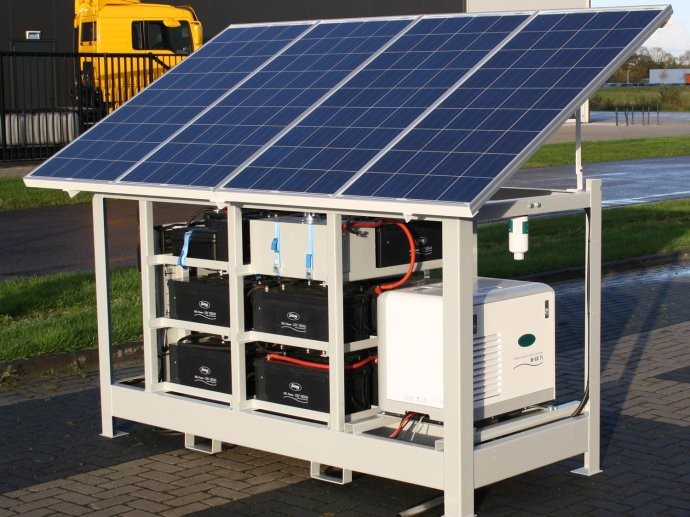
In today’s energy landscape, businesses are under pressure to reduce carbon footprints—and electricity costs. For B2B and small-business buyers in Europe and Southeast Asia, solar power is no longer just a green choice—it’s an economic one. But here’s the catch: simply installing solar panels isn’t enough. Without proper storage, you’re leaving money on the table—and risking operational continuity.
Let’s cut through the noise and ask a critical question: Why should your business choose lithium-ion battery storage over other grid-level storage methods?
Efficiency Matters—And Batteries Win
Other technologies like pumped hydro or compressed air storage suffer from significant round-trip losses (often 30–50%). In contrast, modern lithium-ion batteries achieve >90% efficiency. That means more of your solar energy gets stored and used when needed—not wasted as heat or mechanical loss. For a factory in Germany or a warehouse in Thailand, this translates directly into lower utility bills and higher ROI.
Space Is Scarce—But Batteries Are Compact
You can’t always find a mountain for pumped hydro or a large underground cavern for CAES. But lithium-ion systems fit neatly indoors—on rooftops, in basements, or even modular units outside buildings. This makes them ideal for urban factories, retail chains, or SMEs with limited real estate—a major concern for European buyers where land is expensive.
Speed Is Profit—And Batteries Respond Instantly
When grid prices spike or outages occur, fast response matters. Flywheels and supercapacitors may offer speed, but they lack capacity. Batteries provide both rapid discharge (within milliseconds) and sustained output (hours). Whether it’s avoiding peak demand charges in California or ensuring uptime during monsoon-related blackouts in Indonesia, batteries deliver precision control.
Lifecycle Costs Tell the Story
While upfront costs matter, total cost of ownership (TCO) determines long-term value. Most alternatives degrade quickly or require costly maintenance. Lithium-ion systems now offer 10–15 years of service life with minimal upkeep—especially with smart monitoring software. Our clients report payback periods under 4 years, even without subsidies.
Real-World Proof: A German Bakery’s Transformation
One bakery in Bavaria installed our 16kWh system alongside their rooftop solar array. Before, they paid €0.35/kWh during peak hours. After installation, they shifted 70% of consumption to self-generated power—saving €8,000 annually. Plus, during a regional blackout last winter, their lights stayed on while competitors lost sales.