
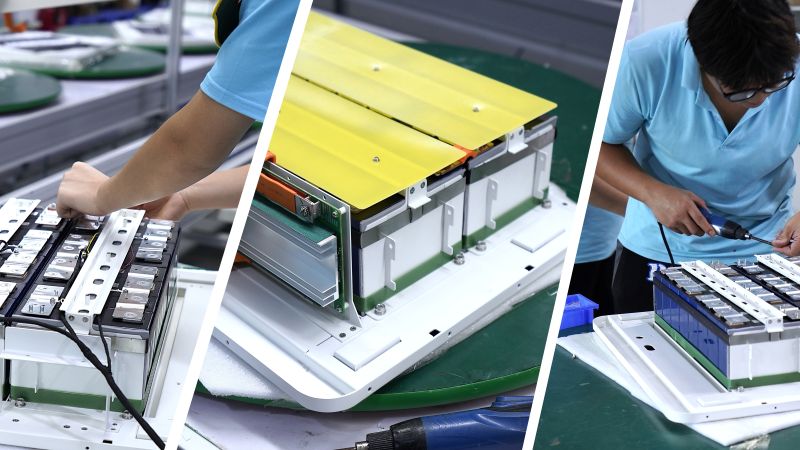
How Many Batteries do I Need for 10kW hybrid inverter?
How a 10kW Hybrid Inverter Works With Battery Storage
The 10kW rating describes the inverter’s maximum AC output, not how much energy the battery stores. A home may own a 10kW inverter but average only 2–3kW during an outage. Battery power determines how many appliances can run at once; battery energy determines how long they run.
Nominal battery kWh = average protected load kW × backup hours ÷ usable fraction ÷ inverter efficiency
If a home averages 2kW during backup and needs four hours, the AC load requires 8kWh. At 90% usable battery energy and 92% inverter efficiency, the nominal bank is approximately 9.7kWh.
That energy calculation does not prove the bank can support the full 10kW inverter output. Current must be checked separately.
Key Factors That Affect Battery Quantity
- Average protected load: the loads expected to run together, not the total of every appliance nameplate.
- Backup time: short outage protection, overnight use and multi-day off-grid autonomy produce very different banks.
- Battery usable fraction: use the approved depth of discharge and keep the required reserve.
- Inverter efficiency and standby consumption: not all DC energy reaches AC loads.
- Continuous and surge current: the battery and parallel bank must support power demand without reaching BMS protection.
- Solar and grid availability: a hybrid system with dependable grid support can use less storage than a fully off-grid system.
- Temperature and aging margin: field capacity and current capability can differ from nominal conditions.
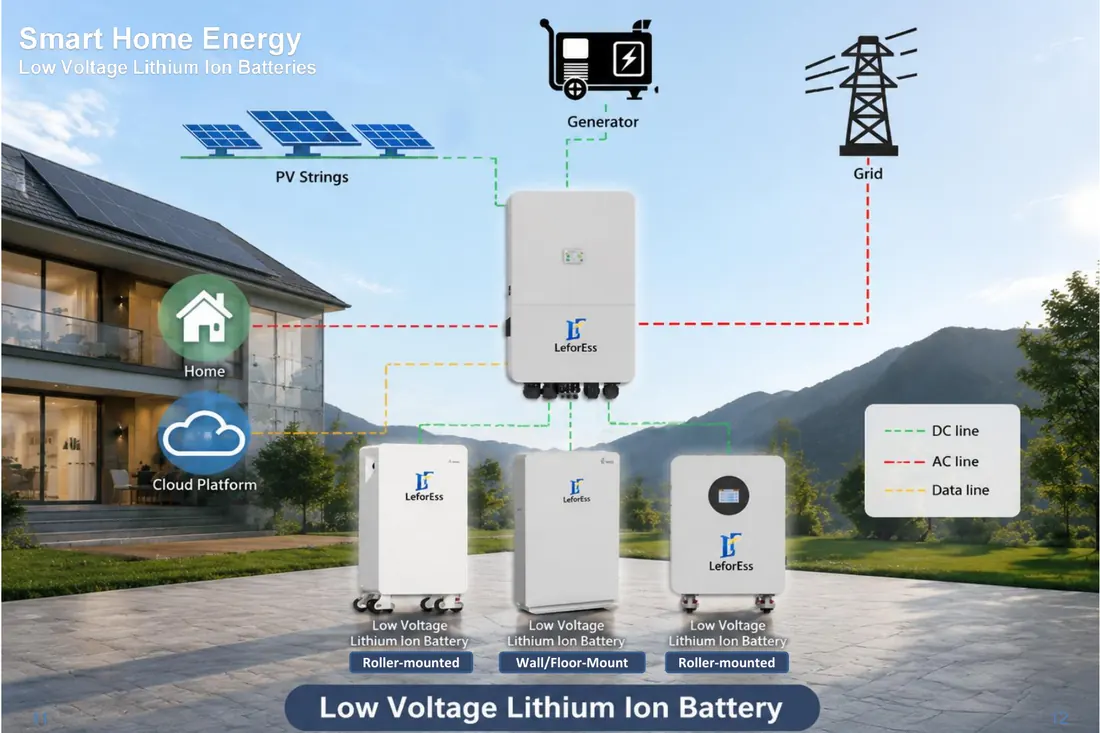
Recommended Battery Sizes for a 10kW Hybrid Inverter
The following examples answer both “how many batteries for a 10kW hybrid inverter?” and “how many batteries for a 10kW solar system?” They are planning examples, not universal configurations.
| Backup objective | Example load and time | Calculated minimum | Practical battery example |
|---|---|---|---|
| Light hybrid backup | 2kW × 4 hours | ≈9.7kWh nominal | 2 × 5.12kWh or 1 × 10.24kWh, subject to current limits |
| Moderate home backup | 3kW × 5 hours | ≈18.1kWh nominal | 2 × 10.24kWh |
| Larger whole-home backup | 5kW × 4 hours | ≈24.2kWh nominal | 3 × 10.24kWh or 2 × 16kWh |
| Long off-grid night | 2kW × 12 hours | ≈29.0kWh nominal | 3 × 10.24kWh or 2 × 16kWh, plus weather margin |
ELESHELL battery configuration examples
| Battery | Catalog rating | Example quantity | What the quantity provides |
|---|---|---|---|
| ELESHELL 5K | 5.12kWh, 51.2V 100Ah, 100A max discharge | 2 units | 10.24kWh nominal and approximately 200A combined when parallel operation permits |
| ELESHELL 10.2K | 10.24kWh, 51.2V 200Ah, 100A max discharge | 2 units | 20.48kWh nominal and approximately 200A combined when parallel operation permits |
| ELESHELL 16K | 16kWh, 51.2V 314Ah, 200A max discharge | 1–2 units | One unit is near the ideal 195A calculation; two add energy and current margin |
Backup Time Comparison With Different Battery Sizes
The table below estimates usable AC energy and runtime. Actual results change with temperature, load cycling, inverter standby consumption, battery condition and the manufacturer’s usable-capacity definition.
| Nominal battery bank | Approx. usable AC energy | Runtime at 2kW average | Runtime at 5kW average |
|---|---|---|---|
| 5.12kWh | ≈4.24kWh | ≈2.1 hours | ≈0.8 hour |
| 10.24kWh | ≈8.48kWh | ≈4.2 hours | ≈1.7 hours |
| 16kWh | ≈13.25kWh | ≈6.6 hours | ≈2.7 hours |
| 20.48kWh | ≈16.96kWh | ≈8.5 hours | ≈3.4 hours |
| 32kWh | ≈26.50kWh | ≈13.2 hours | ≈5.3 hours |
Solar Panel Size Needed to Charge the Battery Bank
A battery bank should not be selected without checking whether the available solar array can recharge it while also serving daytime loads.
PV power allocated to charging ≈ energy to replace ÷ peak-sun-hours ÷ solar-system efficiency
For example, restoring 16kWh of battery energy in five peak-sun-hours at 80% overall solar-system efficiency requires about 4kW of PV capacity dedicated to battery charging. The array must be larger if it also powers daytime loads, if winter solar hours are lower, or if faster recovery is required.
- Use location-specific monthly peak-sun-hours, especially the worst season.
- Check the inverter MPPT voltage, current and maximum PV-array limits.
- Add daytime loads to the required charging energy.
- Confirm maximum battery charging current and charge duration.
Hybrid vs Off-Grid Battery Requirements
| System type | Battery implication | Typical design priority |
|---|---|---|
| Hybrid with reliable grid | A smaller bank may be acceptable because the grid can support loads and charging. | Savings, evening energy shifting and short backup. |
| Hybrid with frequent outages | More reserve and longer runtime are needed; generator coordination may help. | Critical-load continuity and fast recovery. |
| Fully off-grid | Storage must support the worst solar period, not only an average day. | Autonomy, load shedding, generator backup and weather margin. |
Check Battery Current Before You Finalize the Count
Approximate battery current = inverter AC power ÷ battery voltage ÷ inverter efficiency
At 10kW, 51.2V and 92% inverter efficiency, battery-side current is approximately 212A—not 195A. Starting surges can be higher. The complete bank, BMS, breakers, busbars and cables must support the required continuous and surge current.
- Calculate the battery count required by energy.
- Calculate the count required by allowable discharge current.
- Round both up and use the larger count.
- Apply the approved parallel-unit limit and temperature derating.
- Confirm BMS communication and commissioning settings.
Bottom Line
For a 10kW hybrid inverter, 10–20kWh is a useful starting range for light-to-moderate grid-assisted backup, while 20–30kWh or more may be required for larger loads, long outages or fully off-grid operation. The final number of batteries must satisfy both runtime and discharge-current requirements.
Frequently Asked Questions
How many 5kWh batteries do I need for a 10kW inverter?
Two 5.12kWh batteries provide about 10.24kWh nominal energy and may provide roughly 200A combined if the approved parallel design permits it. More units may be required for longer runtime or current margin.
Is one 10kWh battery enough for a 10kW hybrid inverter?
It may provide enough energy for light backup loads, but a 51.2V 100A battery cannot support the full 10kW output by itself. Check both current and runtime.
What battery size is best for a 10kW solar system?
Start with average load and required hours. Many grid-assisted homes use 10–20kWh, while larger or off-grid systems often need 20–30kWh or more.
Can a 16kWh 200A battery run a 10kW inverter?
At 51.2V, 200A is 10.24kW DC in an ideal calculation, but inverter losses and design margin increase the required current. Confirm the exact system with both manufacturers.
How much solar is needed to recharge a 20kWh battery?
The answer depends on how much energy was used, local peak-sun-hours, daytime loads and system losses. Replacing 16kWh in five peak-sun-hours at 80% efficiency requires about 4kW of PV allocated to charging, before daytime loads and margin.
Sources and Further Reading
- LeforESS — Home energy storage products
- LeforESS — LF-SEI-10K-UP 10kW hybrid inverter
- European Commission JRC — PVGIS solar production calculator
Examples are planning calculations. Final design must follow the approved battery and inverter data sheets, compatibility confirmation, local code and qualified engineering.