
Best Solar Battery Banks for Home Storage: Affordable, Durable Picks Buyers Love

What Is a Solar Battery Bank for Home Use? (and Why It Matters for Modern Buyers)
A solar battery bank for home use is a storage system that captures and stores excess energy generated by your solar panels. For B2B buyers—such as installers, small wholesalers, and project contractors—this matters because customers increasingly demand energy independence, rapid ROI, and stable backup power solutions.
Key points to highlight:
- How storage improves system reliability
- Growing homeowner demand for “nighttime solar power”
- The role of battery banks in reducing electricity bills and peak-hour dependence
When homeowners search for the best solar battery bank for home, they want one thing above all—reliable, long-lasting power they can trust. I’ve comparing battery chemistries, sizing methods, installation conditions, and real-world performance, and I’ve learned that not all home storage batteries deliver the same value. Some offer exceptional safety and cycle life; others promise low prices but fall short when it comes to durability.
In this guide, I’ll break down the key features that separate top-performing home battery banks from the rest, explain how LFP outshines older chemistries, show you how to size a system correctly, and walk you through installation requirements many homeowners overlook. I’ll also help you understand the true cost behind these systems so you don’t overpay. And finally, I’ll share the affordable, durable picks that consistently stand out as the best solar battery banks for home in 2025.
Key Features to Look for in the Best Solar Battery Bank for Home
When I evaluate the best solar battery bank for home installations, I start with the features that matter most for long-term reliability and everyday performance. Homeowners often get drawn in by capacity alone, but the real value comes from understanding how each component affects lifespan, safety, and overall efficiency.
1. Battery Capacity (kWh)
I look at usable capacity, not just the rated figure. The best solar battery banks offer a high usable percentage—usually around 90–95%—which ensures you get the backup power you expect.
2. Cycle Life
Cycle life tells you how many charge/discharge cycles the battery can handle before its capacity noticeably drops. Top-tier home batteries usually offer at least 6,000 cycles, but the very best reach 8,000 to 12,000 cycles.
3. Battery Chemistry
Chemistry plays a big role in safety and stability. I prefer Lithium Iron Phosphate (LFP) for home use because it delivers outstanding safety, long life, and consistent performance.
4. Efficiency
Round-trip efficiency affects how much stored energy you can actually use. I always choose systems with at least 90%, but the most reliable models reach 95% or higher.
5. Safety Certifications
Since home battery banks operate close to living spaces, UL, IEC, and UN certifications matter. They confirm that the battery passed industry safety and performance tests.
6. Smart Monitoring & Protection
The best solar battery banks for home always include a built-in BMS (battery management system). A high-quality BMS monitors temperature, voltage, current, and charge cycles to protect your battery and extend its lifespan.
Best Solar Battery Bank for Home (Top Picks for B2B Buyers)
Here’s a simplified list of the most popular and reliable types of solar battery banks used in home installations:
1) Wall-Mounted LiFePO4 Home Battery (5–10 kWh)
- Sleek design
- Easy installation
- Great for grid-tied + backup systems
2) Stackable Rack Battery Modules (5–20 kWh+)
- Ideal for installers needing fast deployments
- Modular, scalable
- Best resale margin for B2B buyers
3) Hybrid Inverter + Battery Bundles
- Faster installation
- Fewer service issues
- Good upsell option for homeowners
4) All-in-One Off-Grid Power Stations
- Plug-and-play
- Integrated inverter + MPPT
- Perfect for tiny homes, cabins, and simple projects
| Type | Product | Capacity Range | Ideal Buyer | Strengths | Best For |
|---|---|---|---|---|---|
| Wall-Mounted LFP Battery | 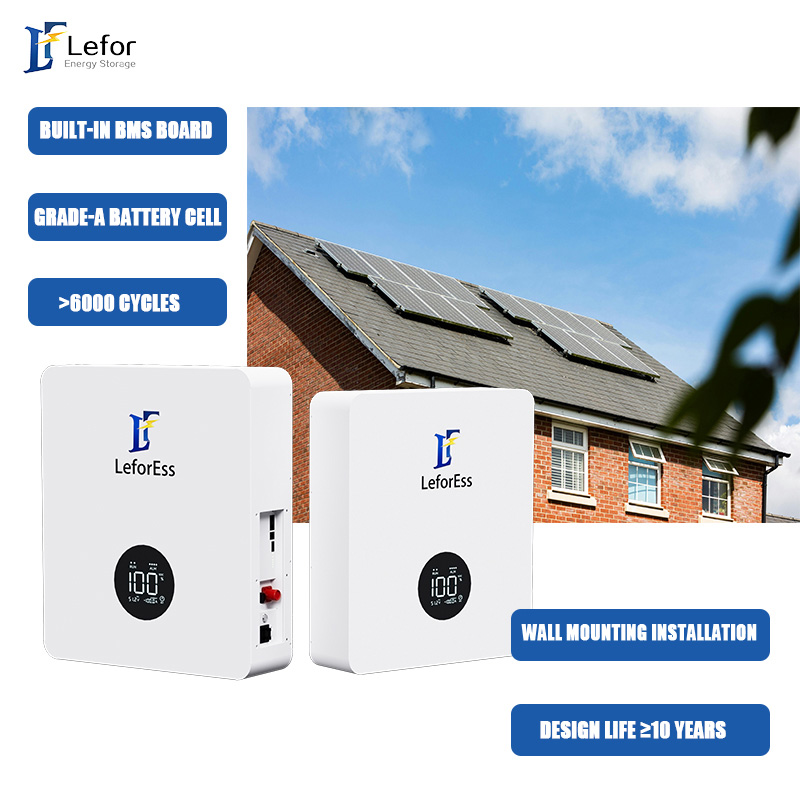 | 5–10 kWh | Installers / Small Distributors | Easy install, reliable, sleek | Residential backup |
| Stackable LFP Modules | 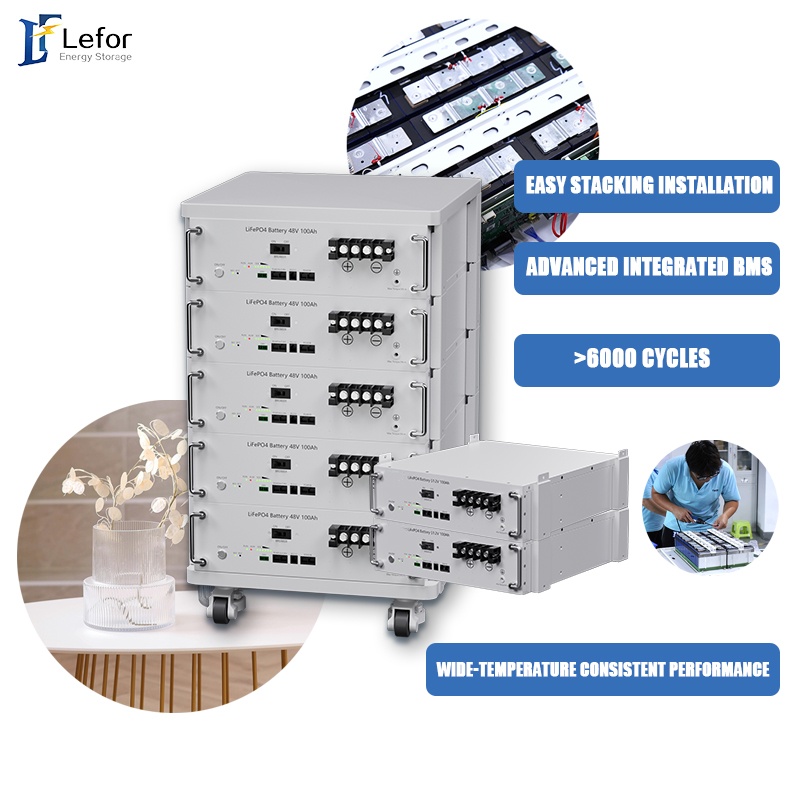 | 5–20+ kWh | EPCs / Installers | Modular, high durability | Homes with high usage |
| Hybrid System Bundles | 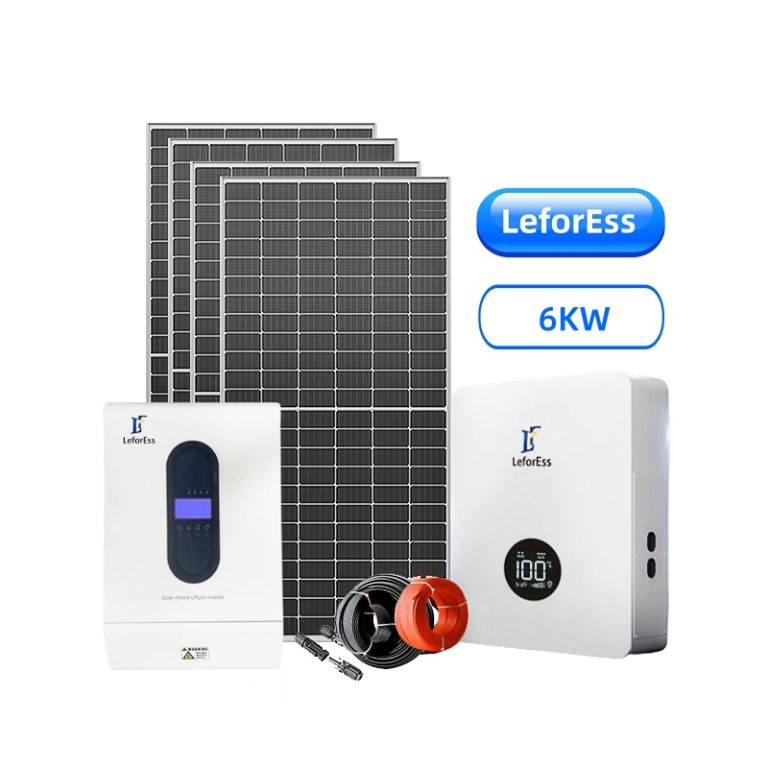 | 10–20 kWh | Installers with large projects | Simplified wiring, fewer callbacks | Grid-tied + backup |
| All-in-One Power Stations | 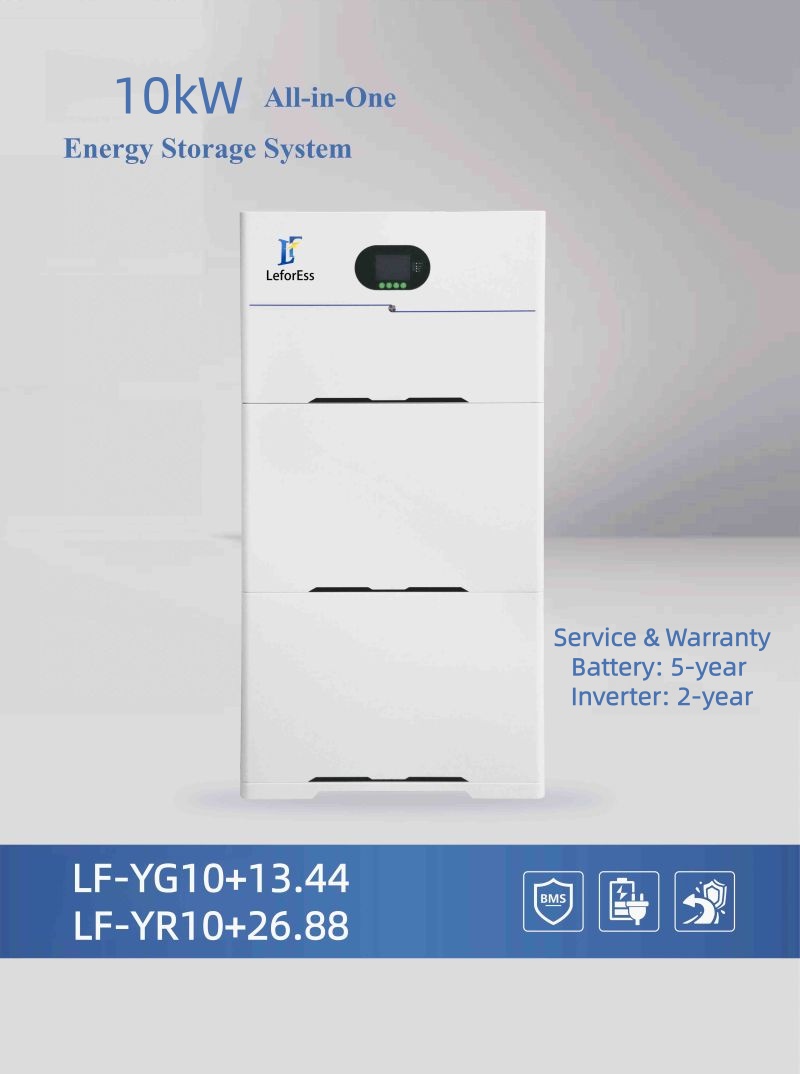 | 3–10 kWh | Small off-grid retailers | Plug-and-play | Tiny homes / RV / remote cabins |
Best Battery Chemistry: Why LiFePO4 Is the Market Leader
LiFePO₄ (LFP) batteries have become the gold standard for home storage systems.
Key Advantages of LFP
- Longer cycle life: 4,000–6,000 cycles
- Safer chemistry: Non-thermal runaway, stable structure
- High-temperature tolerance: Great for hot climates
- Lower cost per cycle: Best lifetime value
- Environmentally friendlier: No cobalt
For B2B buyers, fewer heat issues and longer service life mean fewer after-sales complaints and higher customer satisfaction.
| Feature | Standard | Good | Best-in-Class |
|---|---|---|---|
| Chemistry | NMC | LFP | Premium LFP |
| Cycle Life | 2,500 | 4,000 | 6,000+ |
| Efficiency | 85% | 90% | 93–96% |
| Warranty | 3 yrs | 5 yrs | 10 yrs |
| Certifications | CE | CE + UN38.3 | CE + UN38.3 + TUV + UL |
LFP vs. Other Chemistries: Which Battery Type Performs Best for Home Storage?
When I compare different battery chemistries for home energy storage, I always look at how each option performs in real-world conditions. Homeowners need stability, safety, and long lifespan, and not every chemistry delivers that consistently. That’s why I recommend LFP (Lithium Iron Phosphate) as the top choice for anyone searching for the best solar battery bank for home.
LFP (Lithium Iron Phosphate): LFP stands out because of its long cycle life, excellent thermal stability, and strong safety profile. It tolerates daily charging and discharging without degrading quickly, and it stays stable even during high-temperature operation. That combination makes it ideal for home use where reliability matters.
NMC (Nickel Manganese Cobalt)NMC: NMC batteries offer high energy density, but they run hotter and require stricter protective systems. I rarely suggest NMC for home installations because the chemistry carries more thermal risk and typically delivers fewer cycles than LFP.
Lead-Acid (AGM or Gel): Lead-acid batteries cost less upfront, but their lifespan, depth of discharge, and efficiency can’t compete with modern lithium options. I’ve seen homeowners replace these systems far sooner than expected, which usually costs more in the long run.
Why LFP Wins for Home Storage?
When performance, safety, cost, and durability all matter, LFP consistently outperforms every other option. It delivers:
- Longer lifespan
- Higher usable capacity
- Safer operation
- Lower maintenance
- Better cost-per-cycle value
That’s exactly why most of the best solar battery banks for home now use LFP as their core chemistry.
Installation Tips for Home Battery Banks (For Installers + Contractors)
A high-quality battery still requires a proper installation to ensure long-term performance. Here’s what professional buyers should know:
Placement Guidelines
- Avoid direct sunlight
- Dry indoor environment
- Stable wall or a secure rack
- Good ventilation
Electrical Safety
- Use proper DC-rated cables
- Ensure correct polarity
- Fuse/Breaker protections
- Ground properly
System Compatibility
- Match battery voltage (usually 48V) with inverter
- Check BMS compatibility
- Verify communication protocol (CAN/RS485)
Commissioning Checklist
- Full charge cycle
- BMS check
- Inverter firmware update
- Load test
Understanding Costs and ROI of the Best Solar Battery Bank for Home
Homeowners are more willing to invest when they understand value. B2B buyers should know how the financials work so they can communicate clearly.
| Capacity | Typical Wholesale Price | Chemistry |
|---|---|---|
| 5 kWh LFP | $300–$1,000 | LiFePO4 |
| 10 kWh LFP | $800–$1,800 | LiFePO4 |
| 15 kWh LFP | $1,000–$3,300 | LiFePO4 |
(Pricing varies by brand, certifications, cycle life, and MOQ.)
ROI Breakdown
Home users save money through:
- Peak-hour energy suppression
- Lower grid consumption
- Using stored solar at night
- Backup capability reduces generator cost
A typical 10 kWh battery saves:
- $500–$1,000 per year depending on electricity rates
- Payback in 2–5 years with incentives
For B2B buyers:
- High-demand product
- Strong margins (15%–35%)
- Repeat business for expansion or referrals
Ready to Choose the Best Solar Battery Bank for Home?
If you’re a small B2B buyer looking for the best-performing, safest, most profitable battery options for home installations, I can help you:
- Select the right battery model
- Build a product roadmap
- Create a custom quote list
- Identify the best wholesale picks
Just tell me what you need: