
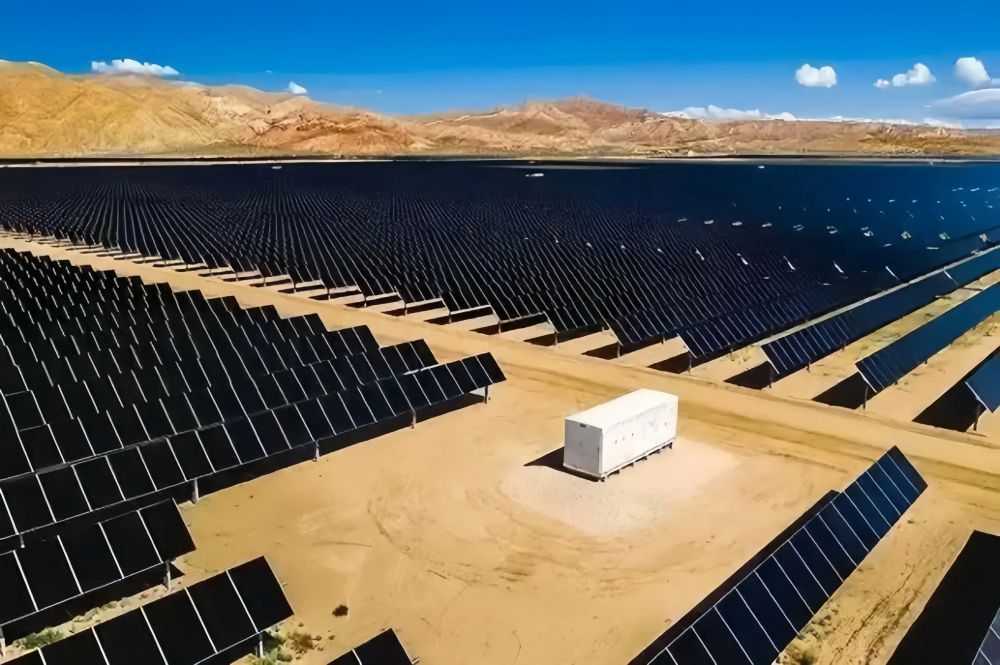
Future Prospects of Lithium Iron Phosphate Batteries for Solar Storage
Evaluating the Shift in Stationary Storage
The global energy storage market is currently undergoing a significant transition in battery chemistry preferences. While several lithium-based technologies have served the industry over the past decade, lithium iron phosphate batteries for solar storage now power a substantial portion of new stationary installations.
Market data from late 2025 shows that LFP (Lithium Iron Phosphate) has captured approximately 40% of the total lithium battery market. Analysts forecast that LFP will surpass NMC (Nickel Manganese Cobalt) as the dominant chemistry for stationary storage by 2028. Specific technical attributes, including chemical stability and a predictable cost structure, drive this development. By examining current deployment data and industry forecasts, we can analyze the technical and economic factors that define the role of LFP in the renewable energy sector.
Thermal Characteristics and Safety Profiles
From an engineering perspective, a battery’s resistance to thermal runaway determines the safety of energy storage systems. Comparative studies in the Journal of Energy Storage indicate that LiFePO4 cells generally exhibit a higher thermal runaway threshold—typically between 270℃ and 300℃—while traditional NMC cells may react at temperatures around 210℃.The molecular structure of lithium iron phosphate batteries for solar storage features covalent P-O bonds. These bonds rarely release oxygen during high-temperature events, which prevents self-sustaining combustion. This characteristic makes the technology a viable option for residential and commercial indoor environments where fire safety regulations remain stringent.
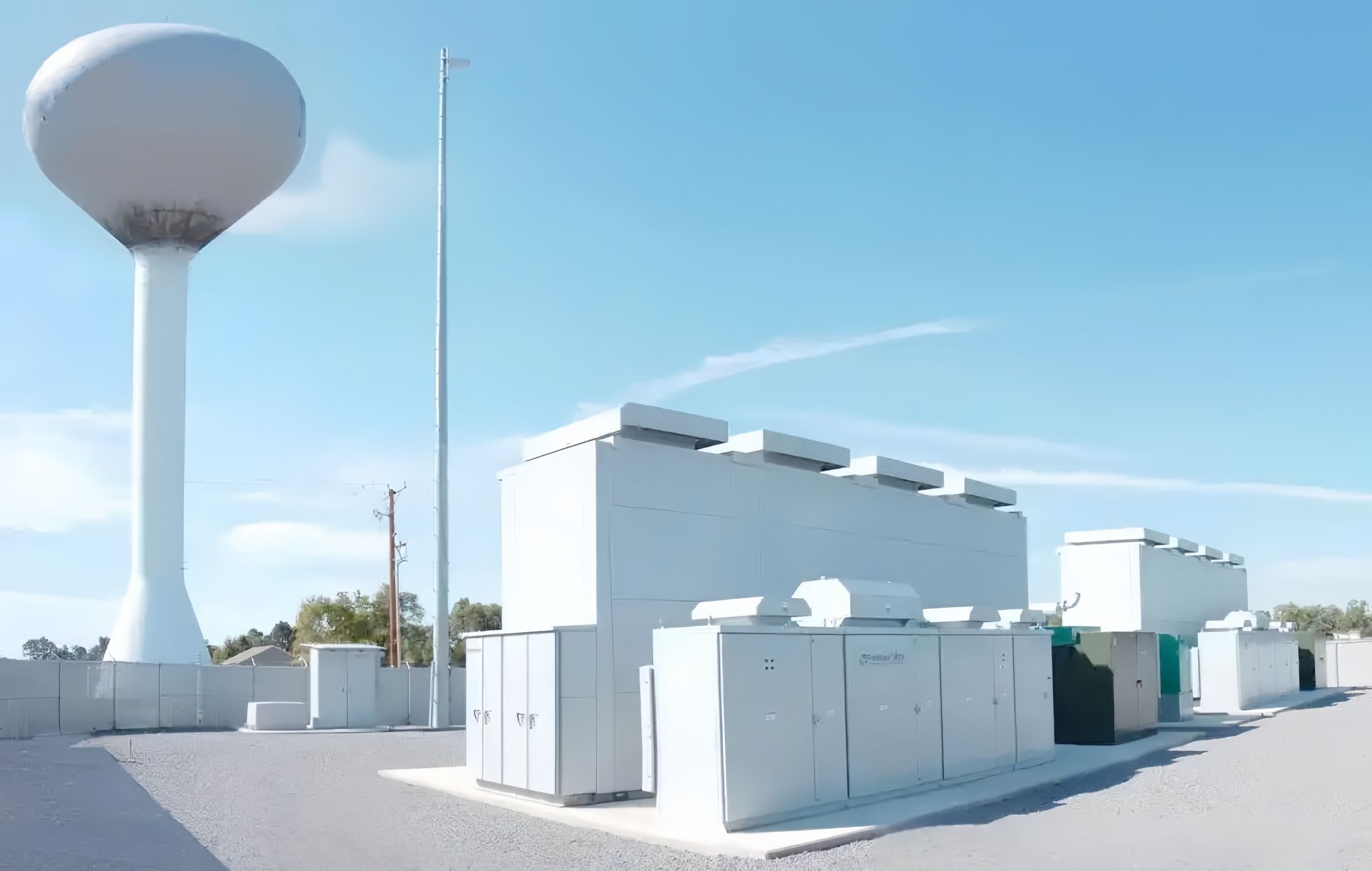
Economic Trends and Manufacturing Costs
The market adoption of LFP is closely linked to its production cost curve. Industry reports from 2025 show that the price of LFP cells has stabilized as manufacturing scales up, with some large-scale production costs approaching 60/kWh.
This cost profile is largely due to the use of iron and phosphate, which are more readily available than cobalt or nickel. Because lithium iron phosphate batteries for solar storage do not require these rarer materials, they are less susceptible to the price volatility and supply chain complexities associated with “conflict minerals.” Manufacturers estimate that LFP cells are roughly 30% more affordable than their NMC counterparts, significantly lowering the barrier for entry in emerging markets.
Cycle Life and Operational Longevity
For solar applications, the long-term viability of a battery is measured by its cycle life—the number of charge and discharge cycles it can perform before its capacity drops significantly. Laboratory testing indicates that many lithium iron phosphate batteries for solar storage can maintain 80% of their original capacity after 6,000 to 10,000 cycles, depending on the depth of discharge (DoD).
In a daily cycling scenario, this suggests a potential operational lifespan of 15 to 25 years. This duration aligns more closely with the typical 25-year lifespan of solar photovoltaic panels, allowing for a more synchronized replacement schedule for the overall energy system.
Material Sourcing and Environmental Considerations
Environmental and ethical standards in energy procurement are increasingly focused on the sourcing of raw materials. The International Energy Agency (IEA) and recent 2025 sustainability briefings highlight the supply chain challenges and ethical concerns involved in cobalt extraction.
Because the chemistry of lithium iron phosphate batteries for solar storage is cobalt-free, it avoids many of the ethical complications associated with other lithium-ion types. This has led to LFP being categorized as a more sustainable option by various international standards organizations, particularly for projects that require transparent and ethical material sourcing under new regulations like the EU Battery Passport.
Addressing Physical Footprint and Energy Density
One of the trade-offs in battery selection is energy density. LFP has a lower energy density than NMC, meaning it requires more physical space and weighs more for the same amount of stored energy.
However, for stationary lithium iron phosphate batteries for solar storage, weight is rarely a primary constraint. Recent engineering improvements, such as Cell-to-Pack (CTP) designs, have reduced the volume of these systems by eliminating unnecessary internal housing. This allows modern LFP systems to fit into residential utility spaces while maintaining their traditional durability.
Technical Developments and Grid Integration
The technical roadmap for LFP includes the potential move toward solid-state electrolytes and advanced thermal management. Current research is exploring how replacing liquid electrolytes with solid materials could further stabilize the cells and expand their operational temperature range, potentially increasing energy density toward by 2026.
Furthermore, advancements in Battery Management Systems (BMS) are improving how lithium iron phosphate batteries for solar storage interact with smart grids. Integration of AI and machine learning allows these systems to monitor health in real-time, enabling predictive maintenance and more effective load balancing for decentralized energy networks.
The Role of LFP in Future Energy Systems
Technical analysis suggests that lithium iron phosphate batteries for solar storage will continue to be a significant component of the energy transition. Their combination of safety, cycle life, and material availability provides a stable foundation for stationary storage needs.
Current evidence points to an iron foundation as the bedrock of renewable energy storage. Superior safety, unmatched cycle life, and a sustainable material profile position lithium iron phosphate batteries as the primary energy bridge for the next decade. As costs decline and efficiency rises, we expect LFP to capture over 70% of the stationary storage market by 2030. Savvy investors and homeowners no longer seek the “newest” gadget; they demand “proven” performance.