
How Many Batteries do I Need for 10kW hybrid inverter?
When buyers ask me about building a reliable solar system, the question I hear most often is simple: “How many batteries do I need for a 10kW hybrid inverter?” The truth is, there’s no one-size-fits-all answer. Your ideal battery setup depends on your daily energy consumption, backup time expectations, battery chemistry, and the way your 10kW hybrid inverter manages both solar and grid power.
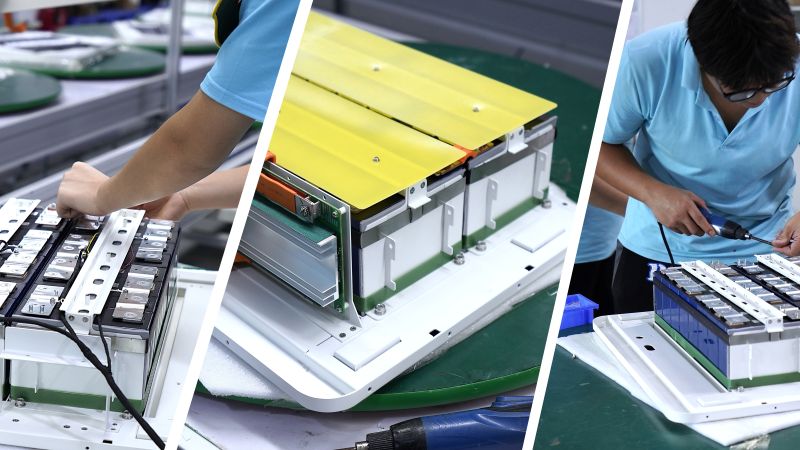
In this guide, I’ll walk you through how the inverter works with different batteries, how to calculate the right capacity, and how real-world factors—like lithium versus AGM, off-grid versus hybrid mode, and PV charging power—change your final configuration. By the end, you’ll know exactly how much storage you need and how long it can keep your loads running.
How a 10kW Hybrid Inverter Works With Battery Storage?
A 10kW hybrid inverter typically:
- Converts solar DC to AC for home and business loads
- Charges batteries during the day
- Discharges batteries when loads increase or grid fails
- Balances solar, battery, and grid sources
- Switches to backup mode automatically during outages
Because the inverter manages multiple power flows, the battery bank becomes the centerpiece of system stability, especially during peak loads or nighttime operation.
Key Factors That Affect Battery Quantity
Before choosing batteries, it helps to understand the factors that decide how many kilowatt-hours you actually need. I usually evaluate four main elements:
• Daily energy consumption: The more energy your appliances use per day, the more battery storage you need.
• Desired backup time: Some buyers need only 2–4 hours. Others need 12+ hours for off-grid operation.
• Battery type: Lithium batteries deliver deeper discharge, higher efficiency, and more usable capacity.
• System design: Off-grid setups require more storage than hybrid grid-assisted systems.
Once you evaluate these variables, calculating required storage becomes much easier.
How to Calculate Battery Capacity for a 10kW Hybrid Inverter?
A quick rule of thumb I often use for hybrid systems is:
Battery Capacity (kWh)
= Load (kW) × Desired Backup Hours ÷ Battery Usable Depth
Let’s try a simple example:
If you run 5 kW of loads and need 4 hours of backup:
5 kW × 4 hours = 20 kWh
If you use lithium batteries with 90% usable depth:
20 ÷ 0.9 ≈ 22 kWh required
So your system needs roughly 20–25 kWh of batteries to support a typical setup.
Recommended Battery Sizes for a 10kW Hybrid Inverter
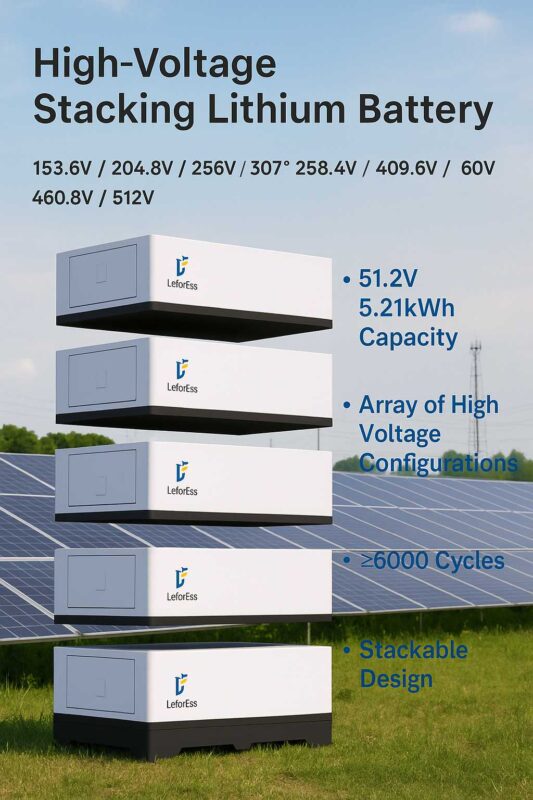
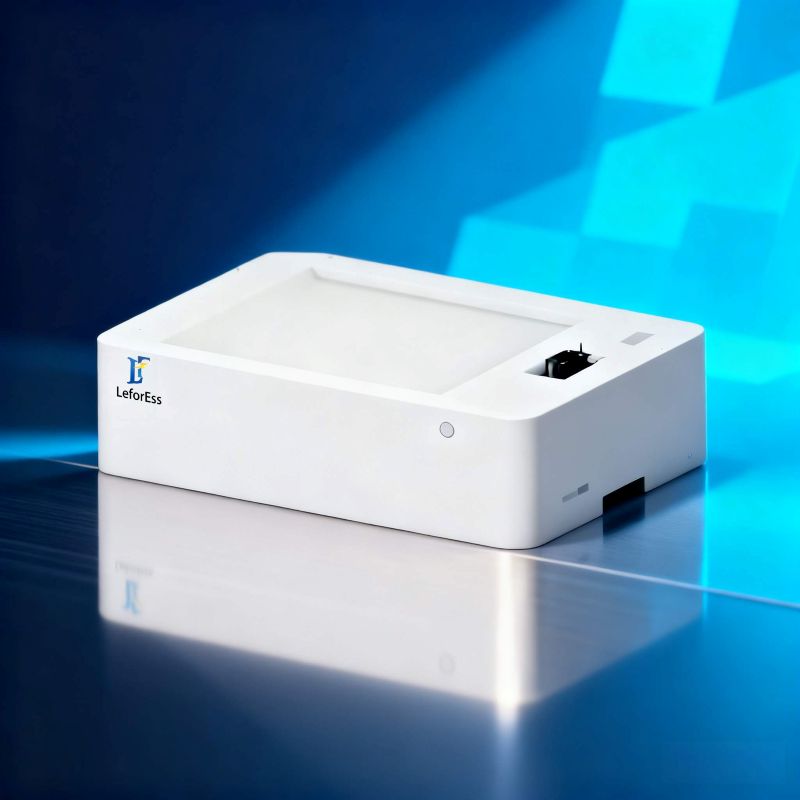
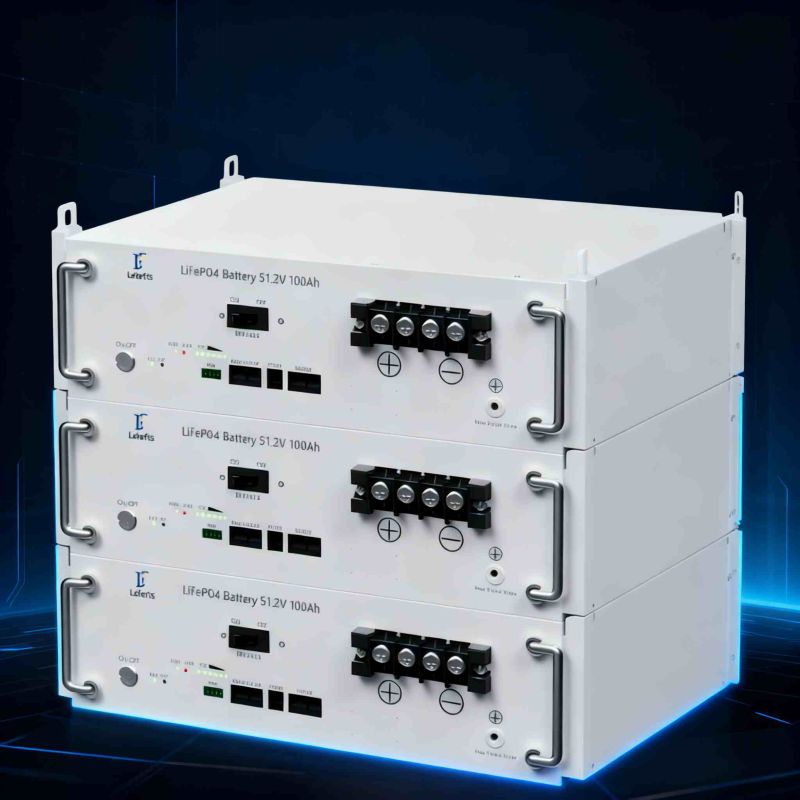
Most 10kW systems run on 48V or 51.2V (LiFePO4) batteries, so I often recommend one of the following:
| Battery Bank Size | Backup Duration | Configuration Example |
|---|---|---|
| 10 kWh | Light backup (1–2 hrs) | 2×5kWh LFP modules |
| 15 kWh | Moderate backup (3–5 hrs) | 3×5kWh LFP modules |
| 20 kWh | Long backup (5–8 hrs) | 4×5kWh LFP modules |
| 25–30 kWh | Extended or off-grid use | 5–6×5kWh LFP modules |
For most hybrid homes, I find 15–20 kWh to be the sweet spot.
For off-grid cabins or businesses, 25 kWh or more becomes necessary.
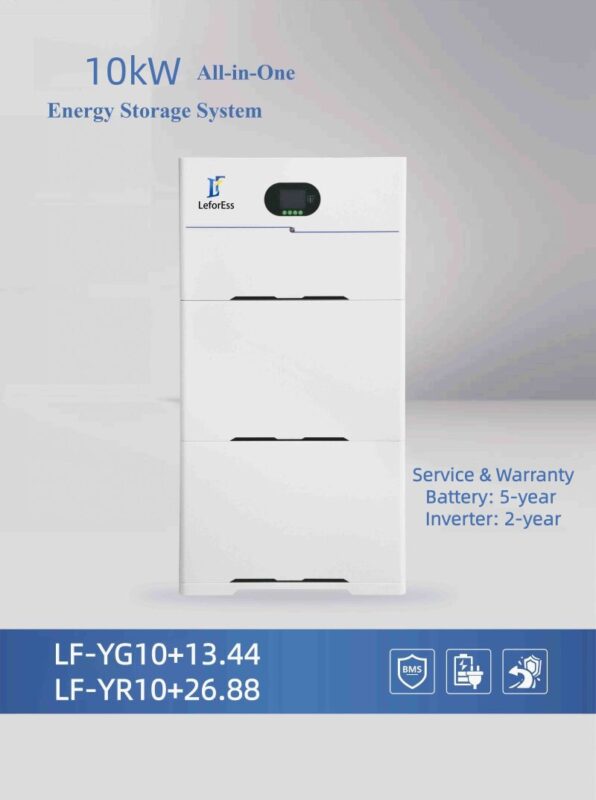
Backup Time Comparison With Different Battery Sizes
To help you visualize real-world performance, here’s what I typically see:
| Battery Size | Typical Running Time (Mixed household/commercial loads) |
|---|---|
| 10 kWh | 1–2 hours |
| 15 kWh | 2–4 hours |
| 20 kWh | 4–6 hours |
| 25+ kWh | 6–10+ hours |
Your actual runtime depends on air-conditioners, pumps, heaters, and motor loads.
Solar Panel Size Needed to Charge the Battery Bank
To charge batteries efficiently, you must match solar panel capacity to your storage needs. A 10kW hybrid inverter usually pairs well with:
- 10–12 kW solar array for hybrid mode
- 12–15 kW solar array for off-grid charging
If your batteries recharge slowly, the system won’t perform well during cloudy days.
Hybrid vs Off-Grid Battery Requirements
I always make this distinction clear to buyers:
Hybrid Mode (Grid Available)
- Smaller battery bank acceptable
- Solar + grid recharge together
- Good for savings and backup only
Off-Grid Mode (No Grid at All)
- Larger battery bank required
- System stability depends on storage capacity
- Solar array must fully recharge batteries daily
If your goal is to run off-grid, you should consider 20–30 kWh minimum.
Bottom Line
For a 10kW hybrid inverter, I recommend configuring a 15-20kWh battery for hybrid residential power systems, while fully off-grid systems require a capacity of 25-30kWh. The battery type should prioritize lithium iron phosphate (LiFePO4) for its balance of efficiency and longevity. This should be paired with a 10-15kW photovoltaic array matched to the inverter to ensure stable and continuous system charging. A well-designed battery configuration not only guarantees worry-free power usage but also delivers long-term savings and peace of mind.
Take Action Now. Ready to optimize your 10kW hybrid inverter system?
- Select the right battery bank
- Compare lithium vs AGM options
- Get B2B pricing insights for bulk orders
Contact me today to build the ideal battery solution for your projects.