
Hybrid solar + storage
10kW Hybrid Solar System with LiFePO4 Battery
LeforESS configures 10kW hybrid solar systems for distributors, installers, EPC contractors and project buyers. A system can use a matched dual-inverter arrangement or a dedicated 10kW three-phase hybrid inverter, with PV modules, 51.2V LiFePO4 storage and protection selected for the destination and load profile.
- 10kW power class
- Hybrid operation
- 51.2V storage
- B2B project supply
Design routes
Two Real 10kW Architectures in the Current Product Range
The architectures below are not interchangeable line by line. The phase arrangement, grid connection, battery current and approved communication path determine which one belongs in the quotation.
Current LeforESS reference configuration
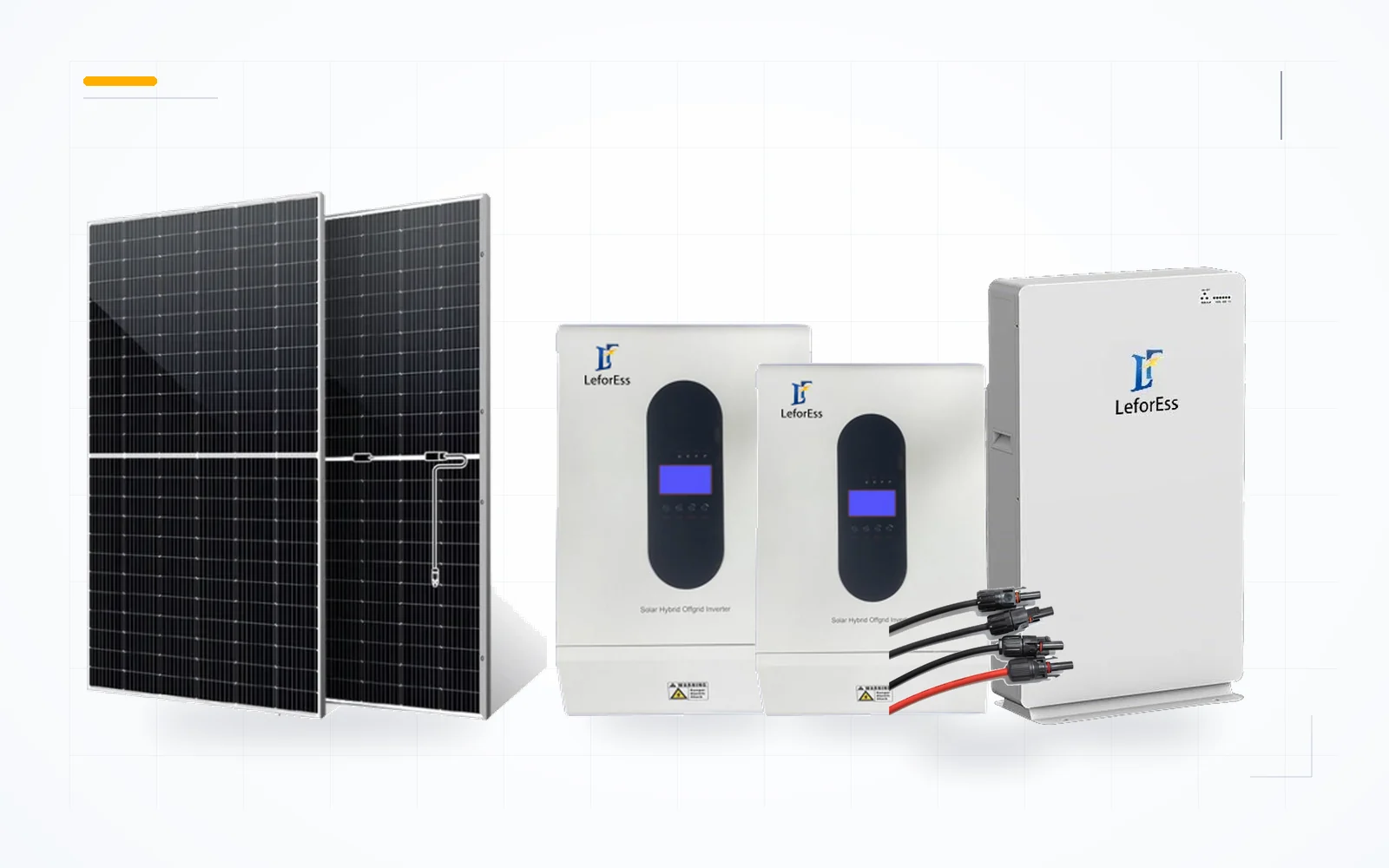
The existing 10kW system matrix uses two 5kW off-grid inverters, one 51.2V 10.24kWh wall battery and twenty 550W modules, producing an 11kWp reference array. Use this as a starting BOM only after the two-inverter topology is approved.
Dedicated Deye 10kW three-phase option
The published Deye SUN-10K-SG05LP3-EU-SM2 page provides a dedicated 10kW three-phase route with a 40–60V battery range, two MPPT trackers and 210A maximum battery charge/discharge current. Battery BMS current, protocol and phase requirements still need review.
Review the Deye 10kW inverterReal components
10kW Hybrid System Supply Scope
These clean product images are reused from current LeforESS pages. The page copy explains their role without repeating marketing labels inside the images.
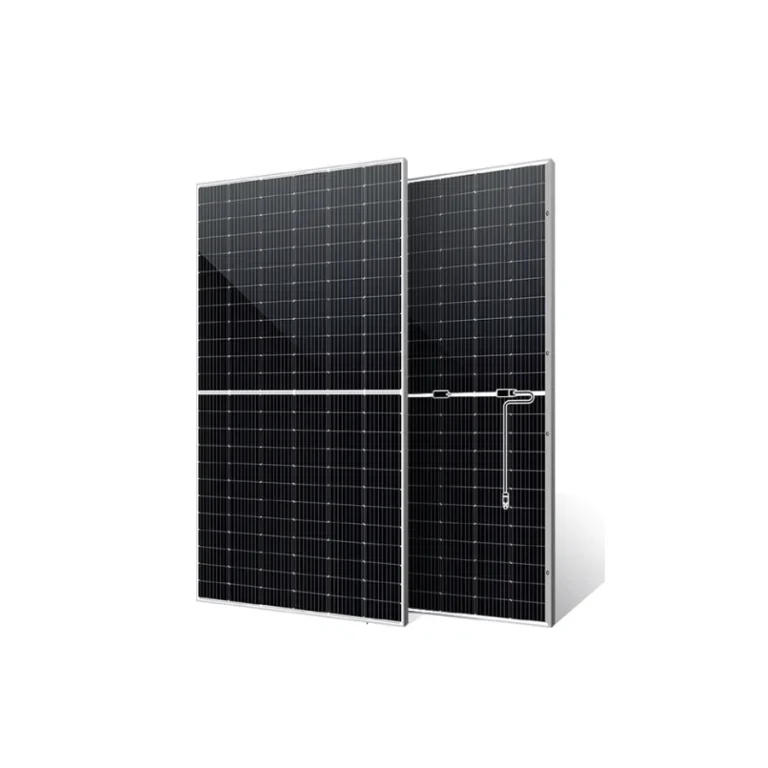
PV array
The existing reference uses 550W-class modules; final module and string quantities depend on the selected inverter.
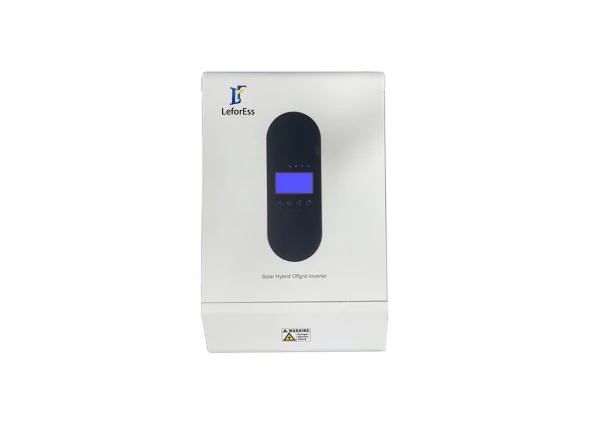
Inverter architecture
Use two matched 5kW units only where the manufacturer-approved phase and parallel arrangement supports the project.
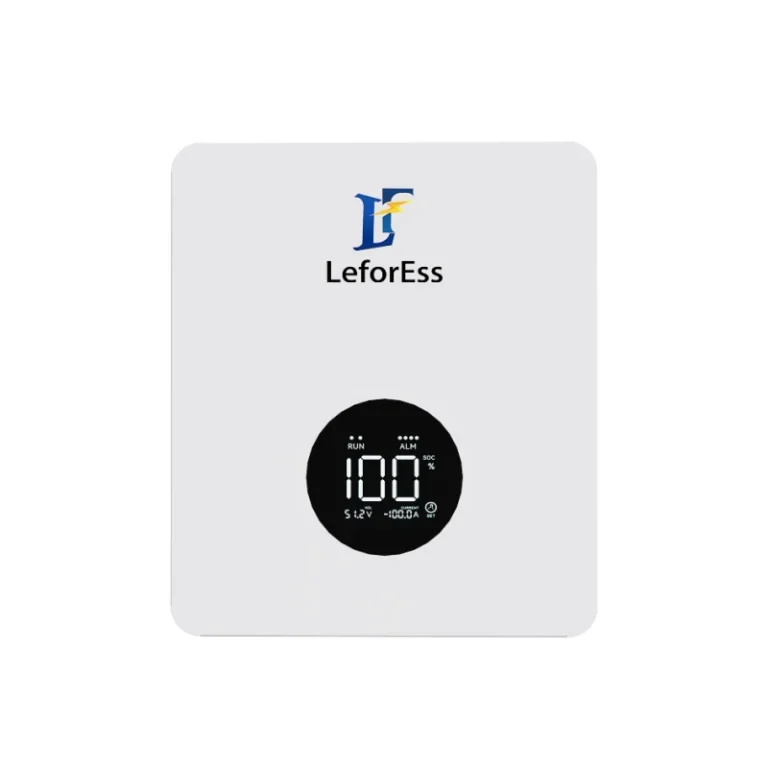
Battery storage
A 10.24kWh reference battery is available, while final energy and current are selected from backup requirements.
Installation scope
Cabling, mounting, isolators, breakers, earthing and packing are confirmed in the project BOM.
Reference configuration
Published 10kW BOM and Approval Points
This table converts useful information from the existing graphic into readable HTML and separates the reference values from the items that require engineering confirmation.
| System element | Published reference | Approval required |
|---|---|---|
| Inverter | Two 5kW off-grid inverter units | Approved parallel or phase architecture, load surge, voltage, frequency and protection |
| Battery | One 51.2V, 10.24kWh wall-mounted LiFePO4 battery | Required backup time, BMS current, inverter protocol and future expansion |
| PV array | Twenty 550W modules, 11kWp reference | Selected module availability, string count, MPPT voltage/current and site yield |
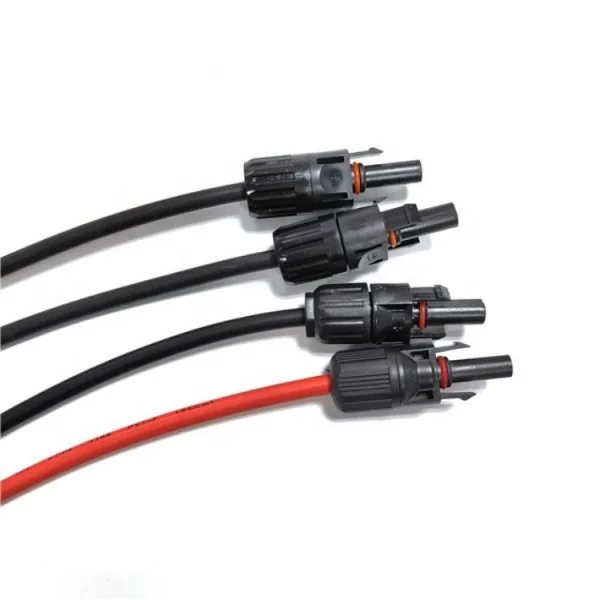
| Balance of system | PV cable and MC4-compatible connectors are included in the current scope | Mounting, cable lengths, isolators, breakers, surge protection, earthing and packing |
Use the dedicated Deye 10kW datasheet instead when that inverter architecture is selected.
Engineering review
What Changes Battery and PV Sizing
A useful 10kW quote should show why the selected battery and PV array fit the buyer’s operating profile.
Load schedule
Continuous demand, high-surge equipment, phase distribution and critical loads.
Energy target
Daytime consumption, night load and required hours of battery-only operation.
PV conditions
Solar resource, usable area, temperature, shading and the chosen inverter’s MPPT limits.
System interface
Grid, generator, transfer method, meter, export control, protection and earthing.
Application fit
10kW Projects Need a Load Schedule
These application groups can fit a 10kW-class system only when the actual equipment and operating hours stay inside the approved design.
Small commercial backup
Selected office, retail, refrigeration or service loads with defined peak demand and circuit priority.
Residential or community systems
Multi-circuit backup and solar self-use where phase, appliance surge and night load are documented.
Installer and EPC packages
A structured BOM for buyers who need equipment, protection, accessories and export preparation in one review.
Buying questions
10kW Hybrid Solar System FAQ
The answers avoid a fixed runtime or universal battery quantity because those depend on the project.
Is 10.24kWh enough storage for a 10kW inverter?
It can be a valid reference capacity, but it is not automatically enough for every load. Required energy comes from average load, backup hours, usable battery energy and conversion losses; required current must also stay within the BMS and inverter limits.
Should the system use one 10kW inverter or two 5kW units?
Choose only after checking phase, voltage, parallel approval, service strategy, PV inputs, load surge and battery current. A two-unit image does not prove that every inverter can be paralleled.
Can the system work with a generator?
Some selected hybrid inverters support generator integration, but generator size, neutral and earthing, control signal, charge current and transfer logic must be engineered for the named model.
What information is required for a 10kW quotation?
Provide destination, three-phase or single-phase requirement, load list, surge loads, operating hours, backup target, PV area, grid or generator details and required installation accessories.
Build a 10kW System Around Phase, Load and Runtime
Send the site electrical standard, load schedule, backup target and preferred inverter architecture for a reviewable project quote.