Complete solar + storage systems
Off-Grid Solar Power Systems for B2B Projects
LeforESS configures off-grid solar power systems with PV modules, hybrid or off-grid inverters, LiFePO4 battery storage and installation accessories. The scope is prepared around the load schedule, backup hours, installation environment and destination electrical standard for distributors, installers, EPC contractors and project buyers.
- Distributors
- Installers
- EPC contractors
- Project buyers

System selection
Start with the Load, Not a Generic Kit
The power label identifies inverter class, not daily energy or backup time. These ranges create a useful first conversation; the final configuration still depends on measured loads, surge current, operating hours and available PV area.
Small remote loads
For compact loads where daily energy, appliance surge and battery autonomy remain limited and clearly documented.
Browse current systemsIntegrated unit or complete kit
A practical class for small business, site and residential backup projects that need a defined 51.2V storage option.
Explore the 5kW systemHybrid solar + storage
Available around a 10kW-class inverter or a verified multi-inverter design, subject to phase and grid requirements.
Explore the 10kW systemProject-scale off-grid power
Requires a load schedule, three-phase review, engineered battery current path and a project-specific protection scope.
Explore the 20kW systemComplete scope
Four Parts of a Quotable Off-Grid System
A useful quotation identifies the major equipment and the engineering assumptions connecting it. Important product information stays in indexable HTML; the images show the real equipment already used by LeforESS.
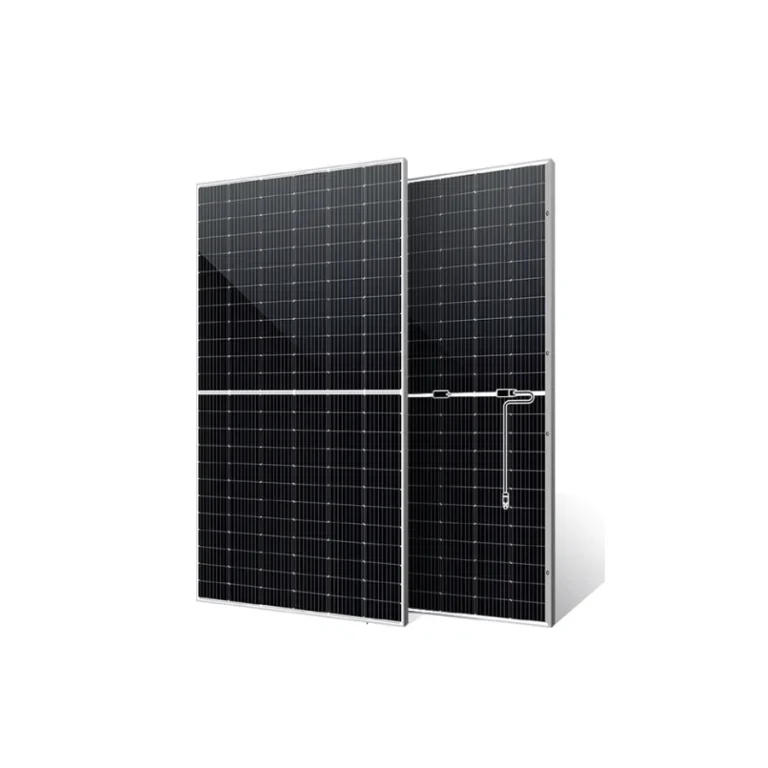
PV generation
Module selection and string design must match the inverter window, roof or ground area, and local solar resource.
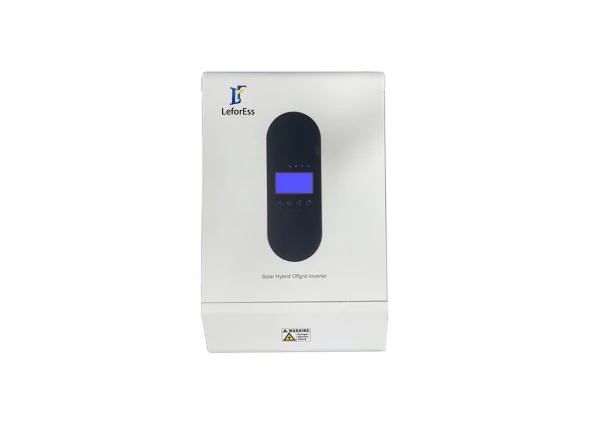
Power conversion
Single- or three-phase inverter architecture is selected around load power, surge, battery voltage and destination electrical standard.
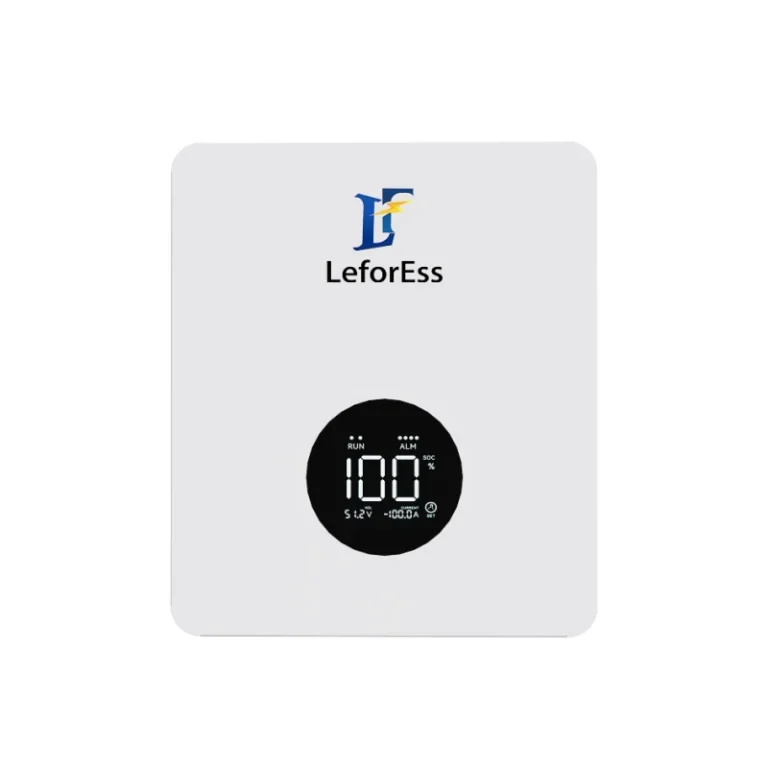
LiFePO4 storage
Battery energy, current, BMS protocol and parallel quantity are checked together instead of choosing capacity alone.
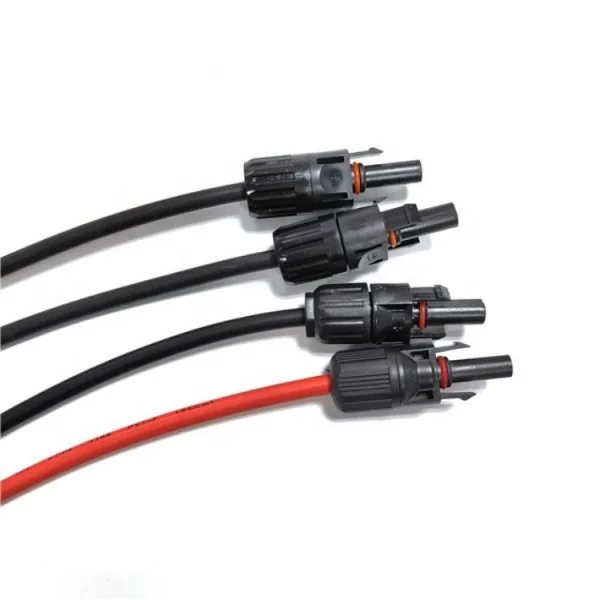
Balance of system
Mounting, PV cable, connectors, DC and AC protection, earthing and packing are defined in the project BOM.
Sizing inputs
Information Needed Before We Fix the BOM
Send measured or nameplate data wherever possible. A list such as “lights, air conditioning and machinery” is not enough to select the inverter, battery or PV array safely.
- Continuous load, largest motor or compressor surge, and phase requirement
- Daily operating hours and required backup time without solar
- Destination country, nominal voltage, frequency and grid or generator availability
- Roof or ground area, shading, ambient temperature and indoor or outdoor installation
- Required mounting, cable lengths, switchgear, earthing and export packing scope
B2B workflow
From Load Data to a Reviewable Project Quote
This sequence keeps the commercial offer tied to a technical basis. It also gives installers and project buyers a clear list of items to approve before ordering.
Define loads
Confirm power, surge, operating hours, phase and critical-load priority.
Select architecture
Match PV, inverter voltage, battery platform and generator or grid interaction.
Review the BOM
Check equipment models, quantities, protection, mounting, cables and packing.
Confirm supply
Align destination, documentation, lead-time basis and commercial terms.
Application screening
Where Off-Grid Solar Requires Careful Matching
These are application groups, not promises that a particular system size will run every listed load. Equipment must be selected from the actual schedule.
Remote business sites
Lighting, communications, refrigeration or small equipment with known operating hours and surge.
Residential and community backup
Critical circuits, water pumping and shared loads where autonomy is more important than headline inverter power.
Agriculture and field operations
Pumps, controls and site equipment that require motor-start review and a clear seasonal duty cycle.
Buying questions
Off-Grid Solar System FAQ
Short answers to the questions that determine whether a system request is ready for pricing.
Does a 10kW inverter mean 10kWh of battery storage?
No. kW is power and kWh is stored energy. Battery capacity is selected from load energy, autonomy, usable depth of discharge, efficiency and required battery current.
Can one standard BOM be used in every country?
No. Voltage, frequency, grid code, earthing, protection, climate, PV yield and documentation requirements can change the approved configuration.
Can LeforESS supply only the battery or inverter?
Yes. Buyers can request individual equipment or a coordinated system scope. For a complete project quote, identify which mounting, cabling, protection and packing items must be included.
What should be included in the first enquiry?
Provide destination, phase and voltage, load list, surge loads, operating hours, backup requirement, PV installation area and required component scope.
Build the System Around Real Project Data
Send the load list, destination, backup hours and required supply scope. LeforESS can prepare a configuration for technical and commercial review.