
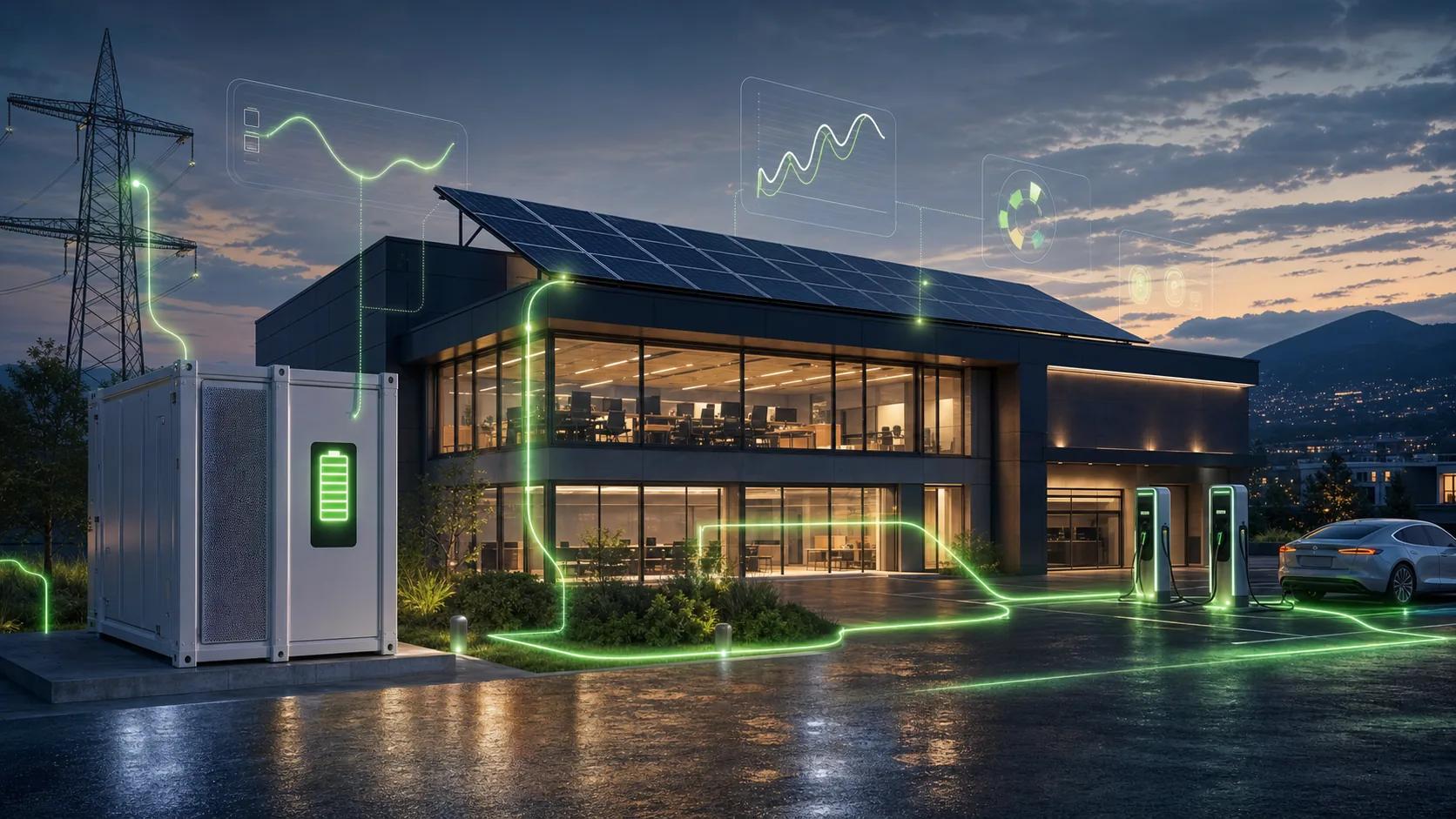
Solid-State Batteries: The Future of Solar Energy Storage
Solid-State Batteries and the Future of Solar Energy Storage: Global Technology Routes and Commercialization Trends
Quick Answer
Solid-state batteries are emerging as one of the most promising next-generation energy storage technologies. By replacing conventional liquid electrolytes with solid electrolyte materials, these batteries have the potential to improve safety, energy density, and long-term operational stability.
For the solar energy storage market, however, solid-state batteries are not expected to immediately replace lithium iron phosphate (LFP) batteries. Instead, the industry is likely to experience a gradual transition, with LFP continuing to dominate mainstream energy storage applications while solid-state batteries gradually enter higher-performance markets.
Different regions have adopted different technology strategies. Japan and South Korea are mainly focusing on sulfide-based all-solid-state batteries, while China has developed a commercialization pathway centered around oxide-based solid electrolytes and semi-solid-state battery technologies.
Higher Safety
Solid electrolytes can reduce the risks associated with flammable liquid
electrolytes and improve battery thermal stability.
Higher Energy Density Potential
Solid-state technology may enable more compact energy storage systems with
greater capacity in future applications.
Commercialization Through Semi-Solid Technology
Semi-solid batteries provide a practical transition between today’s lithium
battery systems and future fully solid-state solutions.

Why Solid-State Batteries Matter for Solar Energy Storage
The rapid expansion of renewable energy has created increasing demand for advanced Battery Energy Storage Systems (BESS). As solar photovoltaic installations continue to grow globally, reliable energy storage has become essential for balancing electricity supply, improving grid flexibility, and maximizing renewable energy utilization.
Currently, lithium iron phosphate (LFP) batteries dominate the global solar storage market because they provide an excellent balance between safety, cost, cycle life, and manufacturing maturity.
However, future energy storage applications will require higher performance, especially in areas where safety, compact design, and long service life are critical.
Solid-state batteries address these demands by replacing liquid electrolytes with solid materials. This technological shift creates opportunities for improved thermal stability, higher energy density, and potentially longer operational lifetime.
Solid-State Batteries and the Current Role of LiFePO4 Energy Storage
While solid-state batteries represent an exciting direction for future energy storage, today’s solar energy market still relies heavily on proven lithium battery technologies.
Lithium iron phosphate (LiFePO4 or LFP) batteries currently provide one of the best combinations of safety, cycle life, reliability, and cost efficiency for solar energy storage systems.
For residential, commercial, and industrial Battery Energy Storage System (BESS) applications, LFP technology remains the preferred choice because it has already achieved large-scale manufacturing maturity and proven field performance.
The future energy storage market is therefore unlikely to be a competition between “traditional” and “next-generation” technologies. Instead, different battery technologies will serve different application requirements.
- LFP batteries: Reliable and cost-effective solutions for today’s mainstream solar storage projects.
- Solid-state batteries: Future-oriented technology for applications requiring higher safety and energy density.
For energy storage companies, technological innovation is important, but manufacturing consistency, system compatibility, and long-term reliability remain equally critical.
Solid-State Battery vs LFP Battery: Future Competition in Energy Storage
Different battery technologies will continue to serve different market segments depending on cost, performance requirements, and operating conditions.
| Battery Technology | Main Advantages | Current Challenges | Potential Applications |
|---|---|---|---|
| Lithium Iron Phosphate (LFP) |
|
|
Residential solar storage, commercial BESS, utility-scale projects |
| Oxide Solid-State Battery |
|
|
Semi-solid batteries and future energy storage applications |
| Sulfide Solid-State Battery |
|
|
High-performance applications and future premium storage systems |
| Polymer Solid-State Battery |
|
|
Specialized applications |
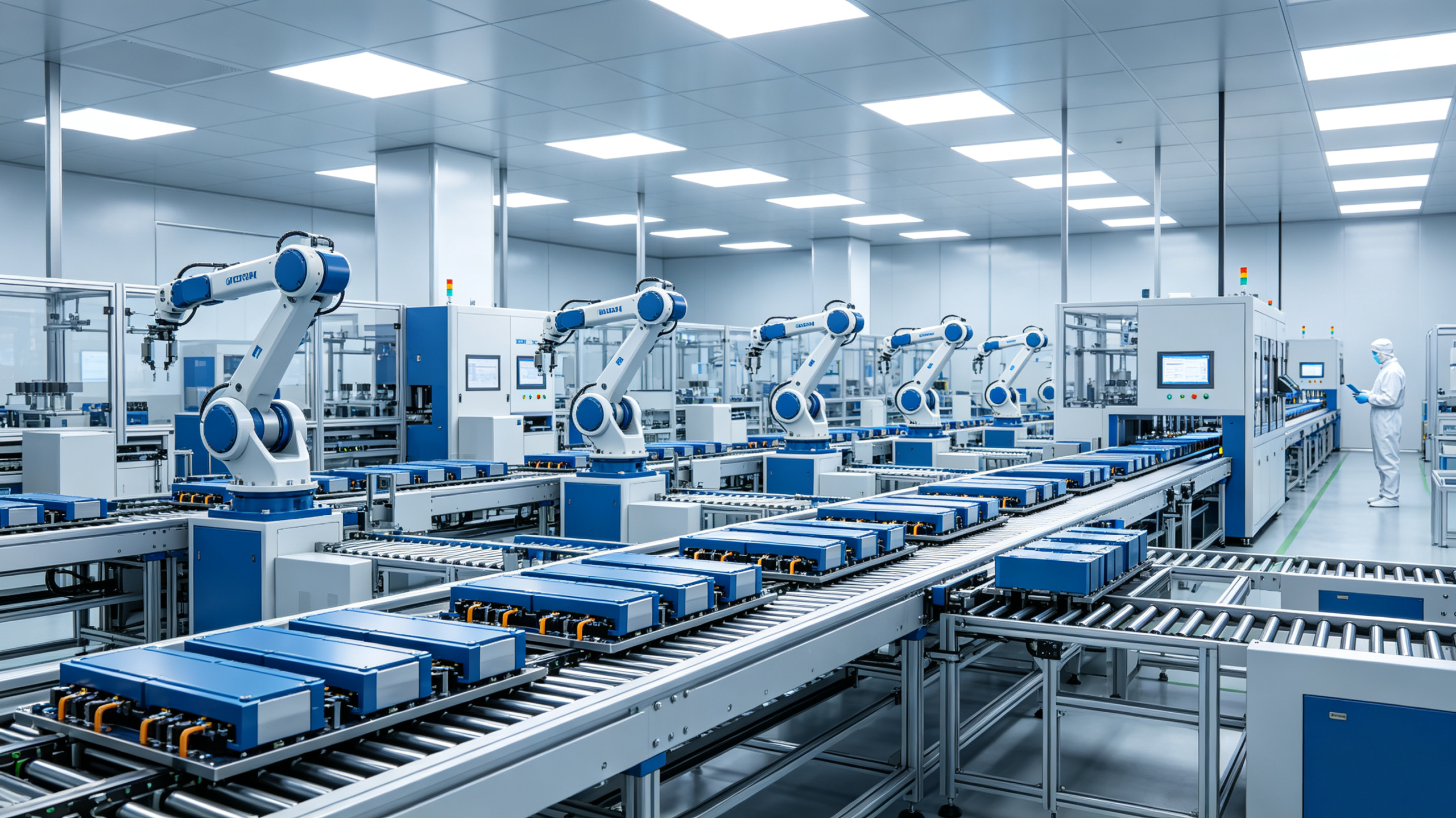
Global Solid-State Battery Competition: Three Major Technology Routes
The global solid-state battery industry is developing through several different technology strategies. Each region is leveraging its existing industrial advantages, battery manufacturing capabilities, and research strengths.
- Japan and South Korea: Focus primarily on sulfide-based all-solid-state battery development.
- China: Accelerating commercialization through oxide-based solid electrolytes and semi-solid battery technologies.
- Europe and the United States: Exploring multiple technology routes through startups, research institutions, and strategic partnerships.
Japan and South Korea: Sulfide-Based Solid-State Battery Development
Japan has been one of the earliest countries to invest heavily in solid-state battery research. Companies including Toyota, Nissan, Honda, and Panasonic have focused strongly on sulfide-based solid electrolyte systems.
Sulfide electrolytes offer excellent ionic conductivity and are considered one of the most promising approaches for achieving high-performance all-solid-state batteries.
However, sulfide-based solid-state batteries still face several commercialization barriers:
- High sensitivity to moisture and air exposure
- Strict manufacturing environment requirements
- Complex solid-solid interface control
- Higher production costs
South Korean battery manufacturers are also developing solid-state technologies while maintaining multiple technology pathways to reduce future technology risks.
China’s Oxide-Based Solid-State Battery Route: A Practical Path Toward Commercialization
Compared with Japan and South Korea, China has developed a different approach to solid-state battery commercialization. Instead of focusing only on fully solid-state batteries, Chinese companies have accelerated the development of oxide-based solid electrolytes and semi-solid-state battery systems.
This strategy focuses on achieving practical commercial applications first, while gradually improving materials, manufacturing processes, and battery performance toward future fully solid-state technologies.
Oxide-based solid electrolytes provide several important advantages:
- High chemical stability: Oxide materials are generally more stable and easier to handle during manufacturing.
- Better environmental resistance: Compared with sulfide systems, oxide electrolytes are less sensitive to moisture.
- Manufacturing compatibility: Oxide technology has stronger compatibility potential with existing lithium battery production processes.
- Long-term reliability potential: Stable material characteristics make oxide systems attractive for applications requiring long service life.
This approach has allowed Chinese companies to explore semi-solid-state batteries as a bridge between today’s lithium battery systems and future fully solid-state solutions.
By developing practical production experience first, China is building capabilities in materials processing, battery manufacturing, system integration, and quality control.
Why Semi-Solid Batteries Are Important for Solar Energy Storage
For renewable energy storage applications, commercial success depends not only on achieving higher laboratory performance, but also on manufacturing consistency, cost control, and long-term reliability.
Semi-solid batteries provide valuable industrial experience in several important areas:
- Advanced electrolyte material processing
- Large-scale battery manufacturing
- Battery management system integration
- Quality control and production consistency
These capabilities are highly relevant to solar energy storage because ESS projects require reliable products that can operate safely for many years.
A technically advanced battery that cannot achieve stable mass production will have limited commercial value. Therefore, manufacturing capability is one of the most important factors determining the future success of solid-state battery technologies.
From Future Battery Technology to Reliable Energy Storage Solutions
Although solid-state batteries represent an important direction for next- generation energy storage, commercial solar projects today require proven, stable, and cost-effective solutions.
LeforESS focuses on LiFePO4 battery energy storage systems designed for global renewable energy applications, providing reliable solutions for residential, commercial, and industrial energy storage projects.
By combining advanced Battery Management System (BMS) technology, intelligent energy management, strict quality control, and flexible OEM capabilities, LeforESS helps customers build dependable solar storage solutions for different markets.
Current Market Solution
LiFePO4 energy storage systems provide proven safety, long cycle life, and
excellent cost performance for today’s solar applications.
Future Technology Direction
Solid-state batteries may provide additional opportunities as manufacturing
technology matures and costs continue to decrease.
How Solid-State Batteries Could Influence Future Solar Storage Systems
Although solid-state batteries are still developing, they may create new opportunities across several renewable energy storage applications.
Residential Solar Energy Storage
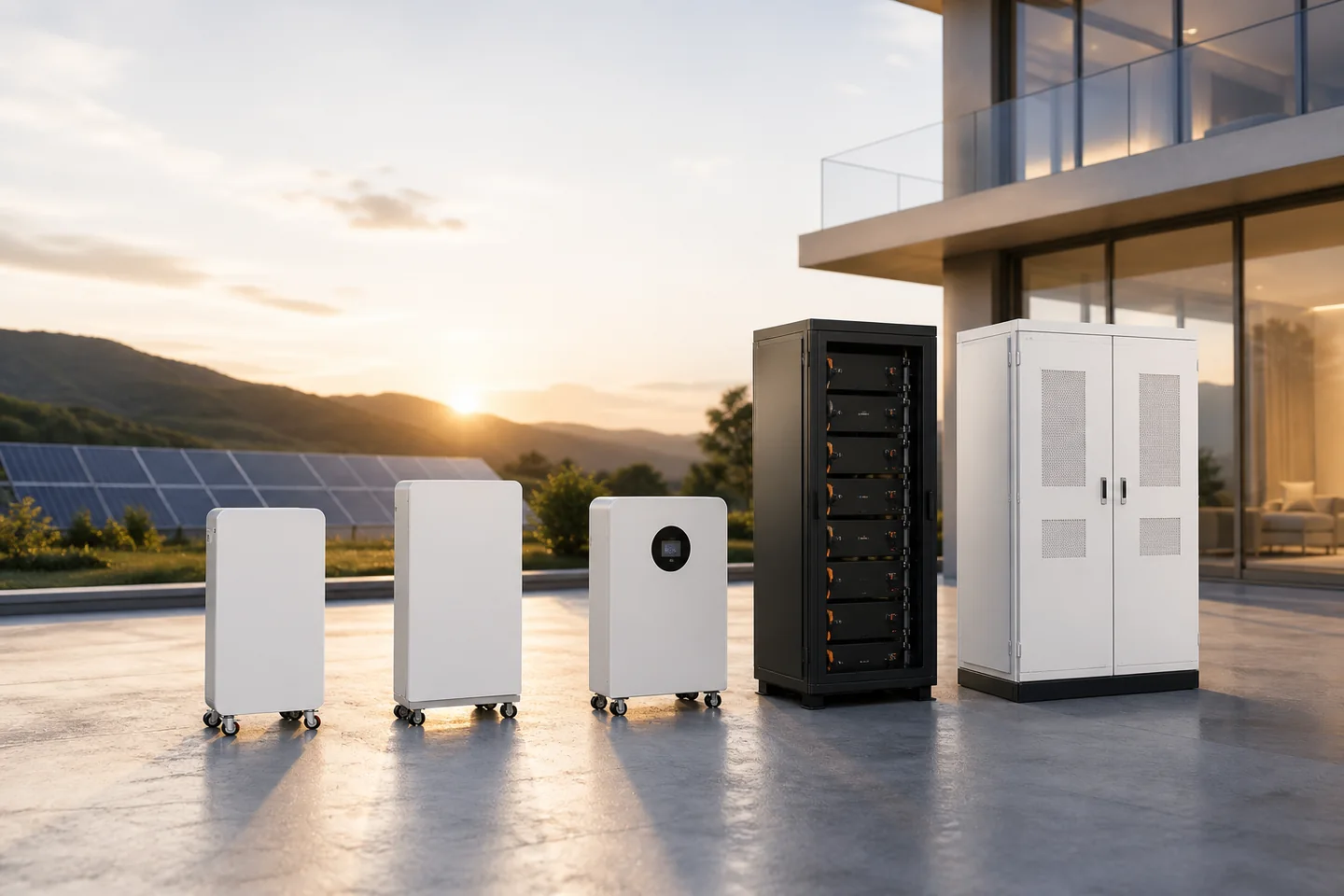
For residential solar systems, installation space is often limited. Higher energy density battery technologies could allow homeowners to store more electricity while using smaller and more compact battery systems.
Future solid-state solutions may provide potential advantages including:
- Smaller battery cabinets
- Higher usable energy capacity
- Improved safety performance
Commercial and Industrial Energy Storage
Commercial and industrial customers increasingly prioritize battery safety, reliability, and long-term operating costs.
Solid-state batteries may become attractive for applications where higher safety requirements justify higher initial investment, including:
- Commercial buildings
- Industrial facilities
- Distributed renewable energy projects
Future Renewable Energy Integration
The future energy ecosystem will increasingly combine solar generation, battery storage, smart energy management, and electric mobility.
Advanced battery technologies such as solid-state batteries may become an important component of this integrated renewable energy infrastructure.
Key Challenges Before Large-Scale Solid-State Battery Adoption
Despite their significant potential, solid-state batteries still face several challenges before becoming mainstream energy storage solutions.
1. Manufacturing Cost
Current solid-state battery production remains more expensive than conventional LiFePO4 battery manufacturing.
Reducing material costs, improving production efficiency, and achieving large-scale manufacturing will be essential for wider adoption.
2. Solid-State Interface Engineering
Unlike liquid electrolytes that naturally fill gaps between battery components, solid electrolytes require precise control of solid-solid interfaces.
Improving interface stability remains one of the most important technical challenges for achieving long-term battery performance.
3. Real-World Reliability Testing
Energy storage systems require long operational lifetimes and thousands of charge-discharge cycles.
Laboratory performance must be validated under real-world operating conditions before solid-state batteries can achieve widespread commercial adoption.
Future Outlook: Solid-State Batteries Toward 2030 and Beyond
The development of solid-state batteries will be a gradual industrial process rather than an immediate replacement of existing lithium battery technologies.
A realistic market development pathway may include:
| Period | Expected Development |
|---|---|
| 2025-2030 | Growth of semi-solid batteries, improvement of oxide electrolyte manufacturing, and continued dominance of LiFePO4 batteries in mainstream solar energy storage. |
| 2030-2035 | Increasing commercial deployment of solid-state batteries, higher energy density systems, and stronger competition among global battery manufacturers. |
The future winners will not only be companies with advanced battery chemistry, but also those with strong manufacturing capability, reliable supply chains, strict quality management, and proven real-world performance.
Frequently Asked Questions
Will solid-state batteries replace LiFePO4 batteries in solar energy storage?
No, not in the short term.
LiFePO4 batteries currently provide one of the best balances between safety, cost, cycle life, and manufacturing maturity, making them the dominant choice for most solar energy storage applications.
Solid-state batteries are expected to gradually enter specialized markets where higher energy density and enhanced safety justify higher costs.
Are solid-state batteries available for solar storage today?
Solid-state battery technology is progressing rapidly, but large-scale adoption in mainstream solar storage still requires further improvements in manufacturing cost, production scale, and long-term reliability.
For current solar energy storage projects, LiFePO4 remains the most practical and commercially available solution.
Why is LiFePO4 widely used in Battery Energy Storage Systems (BESS)?
LiFePO4 batteries provide excellent thermal stability, long cycle life, and strong safety performance. These advantages make them suitable for residential solar storage, commercial energy storage, and utility-scale applications.
What should companies consider when choosing future battery technology?
Battery selection should consider more than energy density. Important factors include:
- Safety performance
- Manufacturing reliability
- Certification requirements
- System compatibility
- Long-term operating cost
Build Reliable Solar Energy Storage Solutions with LeforESS
The future of renewable energy storage will be shaped by continuous innovation in battery technology. While solid-state batteries represent an important future direction, reliable LiFePO4 energy storage systems remain the foundation of today’s solar storage market.
LeforESS provides customized LiFePO4 battery energy storage solutions for residential, commercial, and industrial applications worldwide.
With advanced Battery Management System (BMS) technology, strict quality control, OEM manufacturing capabilities, and flexible energy storage solutions, LeforESS helps global partners build reliable renewable energy systems.
Whether you are looking for OEM battery manufacturing, customized ESS solutions, or dependable solar storage products, LeforESS can support your project with professional engineering and manufacturing expertise.
Contact LeforESS for Energy Storage Solutions